
Project code: 2019-1-МK01-KA203-0602692017
Project leader: Prof. Dr. Viktor Lilcik Adamsen
Project promoter: Ss. Cyril and Methodius University, Skopje, North Macedonia
Project’s partners: University of Primorska, Koper, Slovenia – Assoc. Prof. Martina Blečić Kavur; University of Rome “Tor Vergata”, Italy – Assoc. Prof. Michele Angelaccio; NGO Artifactory, Chios, Greece – Dr. Dorothea Papathanasiou
Source of funding: Erasmus+ KA203 action – Strategic Partnership for higher education
Research area (ARIS): 6.02 Humanities / Archaeology
Project duration: 15.12.2019–14.12.2022
Description:
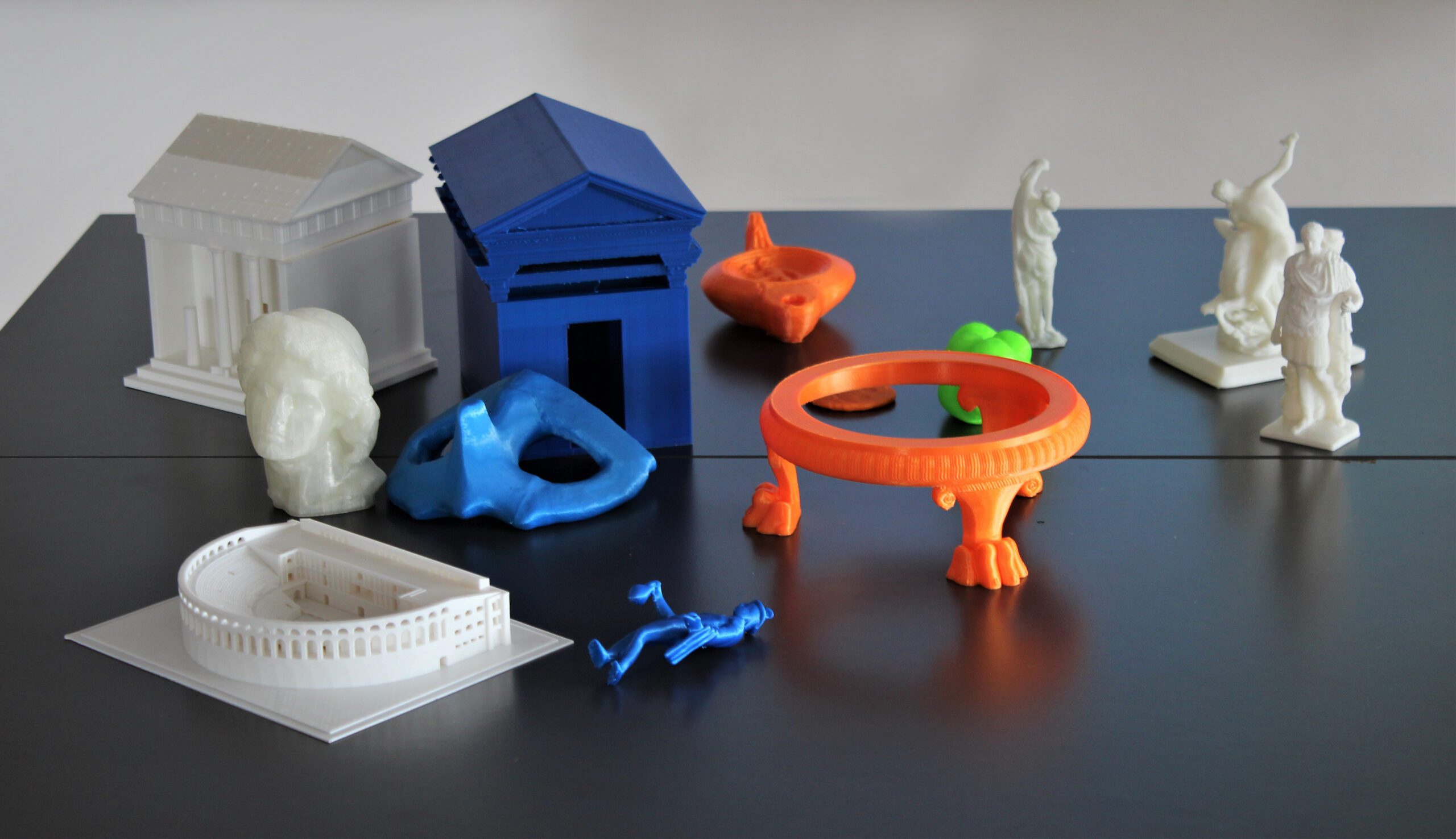
Today the management and protection of archaeological heritage is unthinkable without the active participation of the general public. Heritage must also be accessible to people with disabilities, who have been largely deprived of the opportunity to experience it in a holistic way. The international project Ad HoC aimed to produce and share innovative practices in the digitization of archaeological and cultural heritage and to promote its accessibility among people with different disabilities. Therefore, new approaches for creating accessible online materials, new curricula for online courses, as well as new Open Educational Resources (OER) are being created. The innovative value of the project lies in the accessibility of the OER and the development of greater compatibility with specific technologies, easy connection to screen readers and voice recognition software for people with visual impairments. This has contributed to a higher level of social inclusion of people with disabilities in different types of activities (blogs, webinars, discussion forums, etc.). The results of the project have been integrated into the higher education framework offered by the participating institutions, while also being made available for use by other stakeholders, including museums, galleries and schools, for developing an inclusive archaeology.