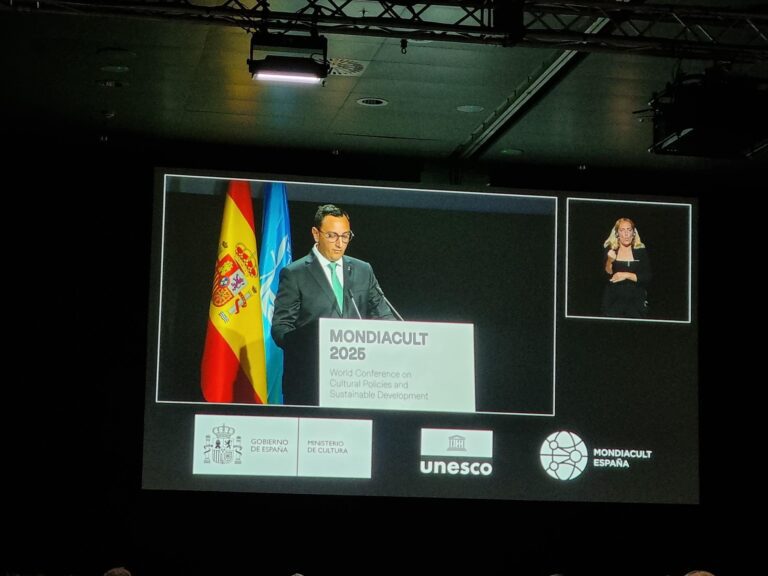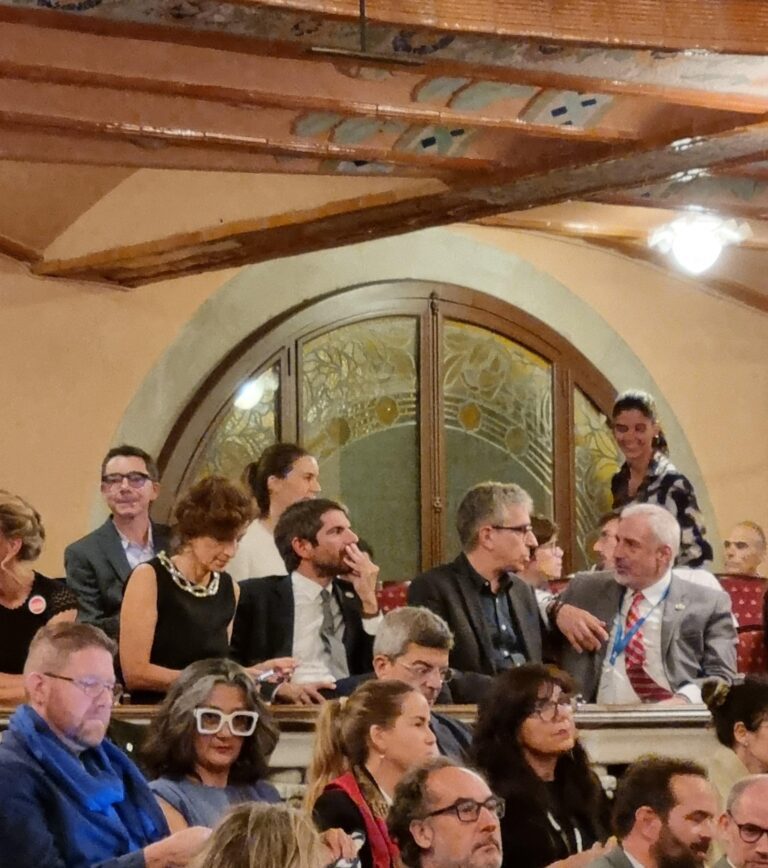
This year’s conference focused on cultural rights, culture and digital transformation, culture and education, the economy in culture, culture and climate change, heritage and crises, culture and AI, and culture and peace. Over 3000 delegates and 165 ministerial delegations from around the world enthusiastically welcomed the delegation from Palestine.
On the first day, UNESCO presented the UNESCO GLOBAL REPORT ON CULTURAL POLICIES — https://www.unesco.org/en/culture/global-report. This inaugural Global Report examines how cultural policies are evolving to advance cultural rights, promote culture and arts education, foster climate action and digital transformation, and enhance resilience in the face of crises. It highlights both momentum and persistent gaps in access, investment, and cooperation.
That same day UNESCO announced the launch of the UNESCO Virtual Museum on Stolen Cultural Objects – https://museum.unesco.org/legals, which will allow viewing both stolen and returned cultural heritage.
Another important achievement worth mentioning is the publication Indigenous Knowledge, Ancestral Places: Navigating Change in UNESCO Sites – https://www.unesco.org/en/articles/indigenous-knowledge-ancestral-places-navigating-change-unesco-designated-sites.
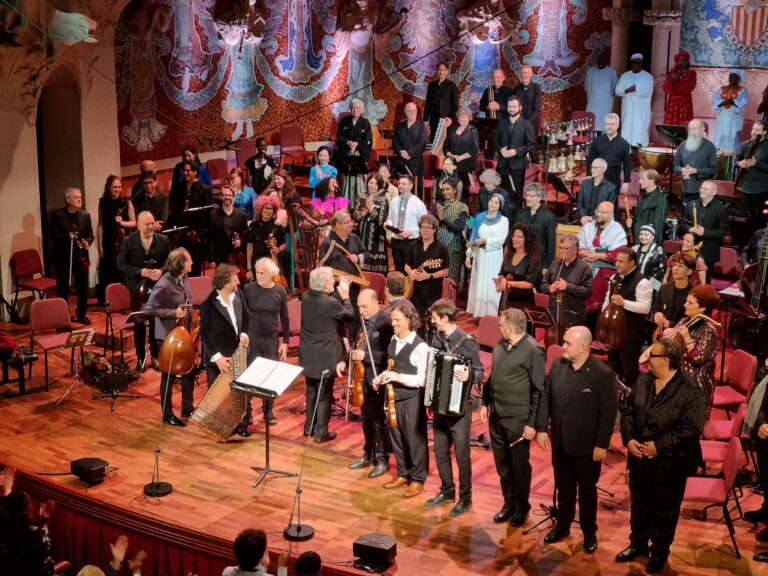
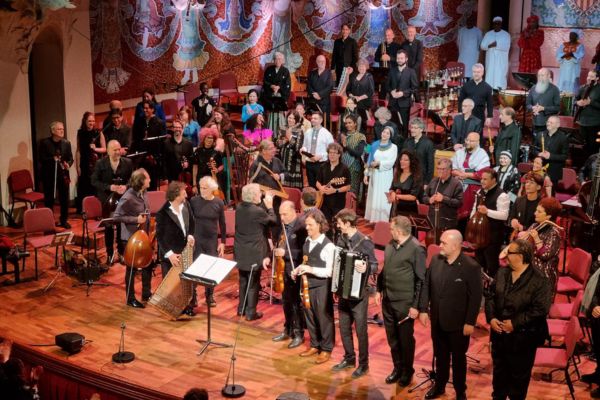
On the second day, conference participants enjoyed an exceptional concert performed by Spanish musician and maestro Jordi Savall, together with musicians from more than 40 countries. The author dedicated it to UNESCO Director-General Audrey Azoulay, who attended the concert accompanied by the Spanish Minister of Culture.
MONDIACULT 2025 was a decisive and strategic moment to launch a global call for culture stand-alone goal, in the presence of thousands of decisionmakers and cultural influencers. The next conference will be held in 2029 in Riyadh, Saudi Arabia.