
Project code: BI-BA/19-20-033
Project type: Bilateral project (Slovenia – Bosnia and Herzegovina)
Leading institution: University of Primorska, Faculty of Humanities
Project leader: Assoc. Prof. Martina Blečić Kavur
Partner institution: Faculty of Philosophy University of Banja Luka – Prof. Dr. Pavle Dragičević
Source of funding: Public Agency for Scientific Research and Innovation of the Republic of Slovenia (ARIS)
Research area (ARIS): 6.02 Humanities / Archaeology
Project duration: 15.01.2019–31.12.2022
Web page: www.codsol.org
Description:
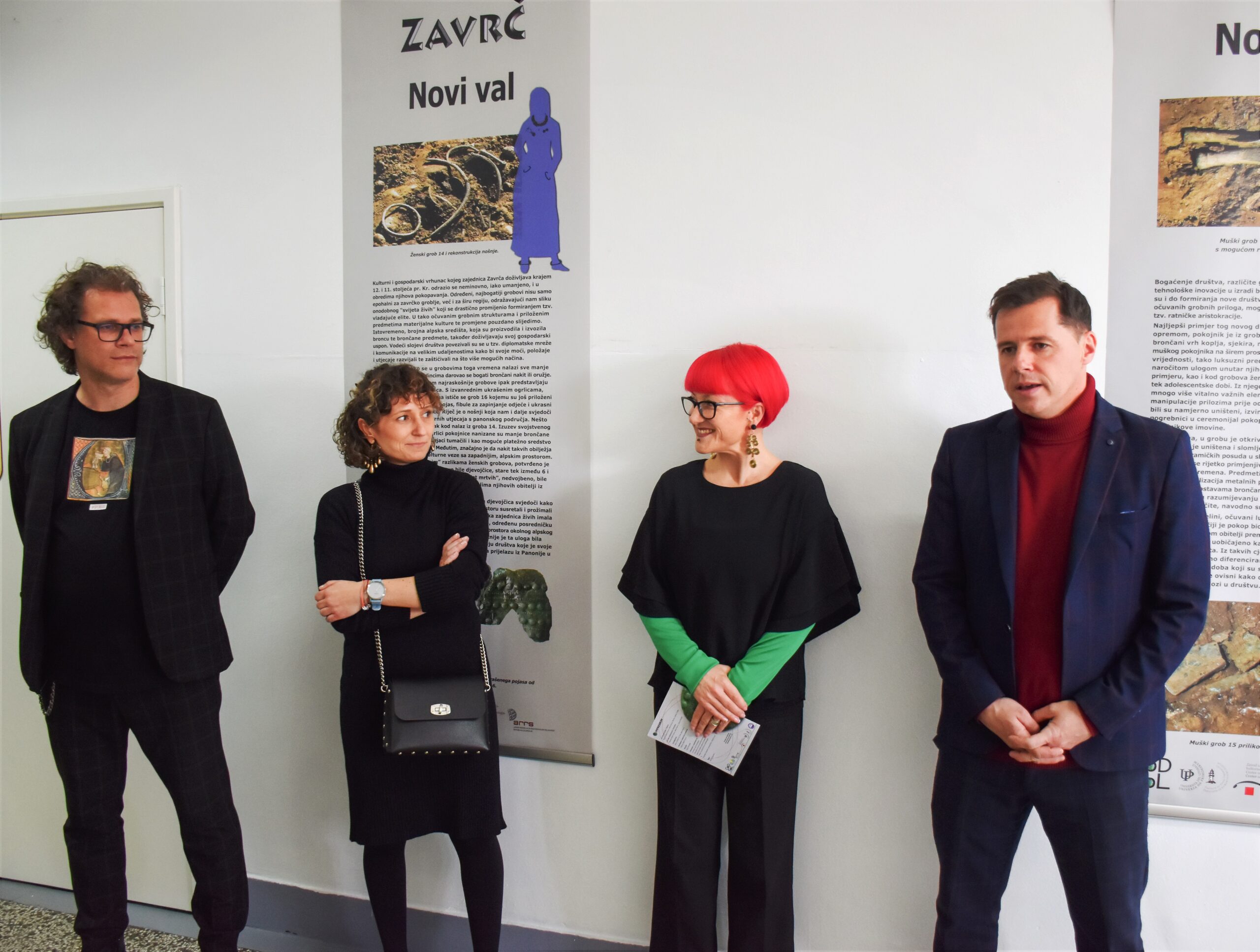
As historical facts, archaeological finds are undoubtedly crucial for research, but they have no meaning on their own. During the project, we have analyzed and interpreted the material cultural heritage and evaluated the importance of long-distance contact and trade in the formation of Bronze Age social communities in eastern Slovenia and northern Bosnia. It is concluded that the transfer of technological knowledge was rapid and efficient, that trade and metal production was organized by emerging local elites, based on specialized knowledge and on links with the metallurgical centers of the wider European area. The most important outcome of the project is the transfer of knowledge, which took place at several levels – joint organization of a scientific conference in Slovenia, joint presentation of papers at scientific conferences in Slovenia and BiH, cooperation in the creation of exhibitions, contributions to the Slovenian partner’s website, and the transfer of knowledge into education, which was actively pursued at both universities. The appearance and manipulation of archaeological content in the media and on social networks allowed for the further development of strategies for the promotion of archaeological and cultural heritage.