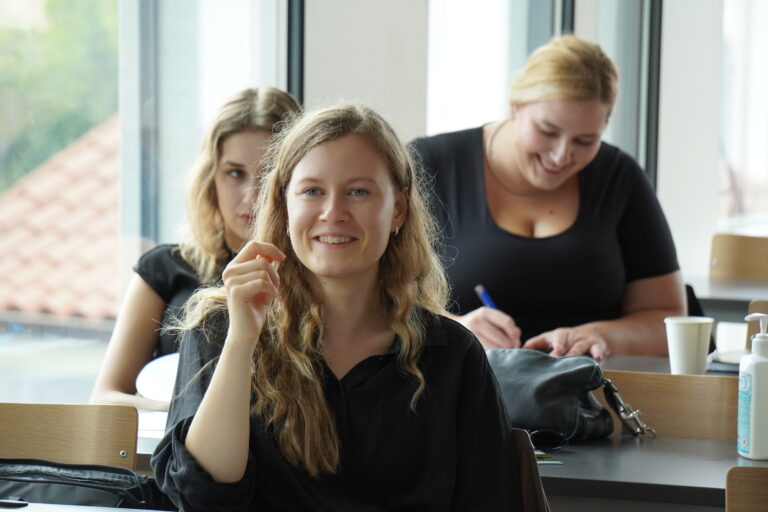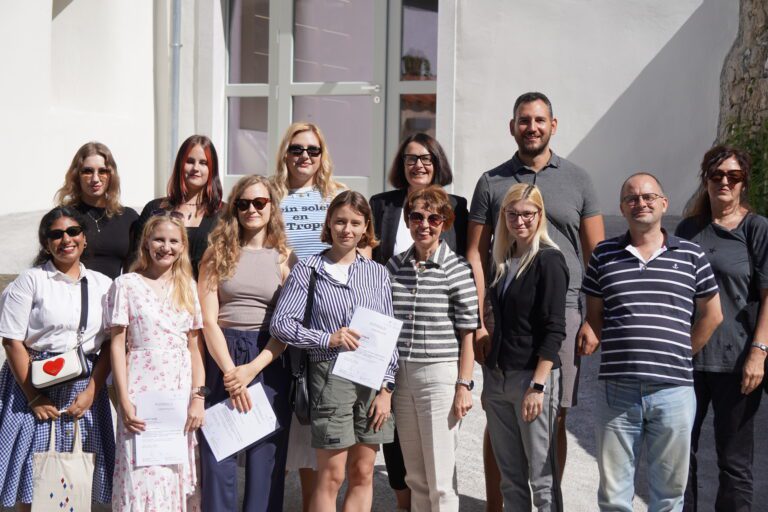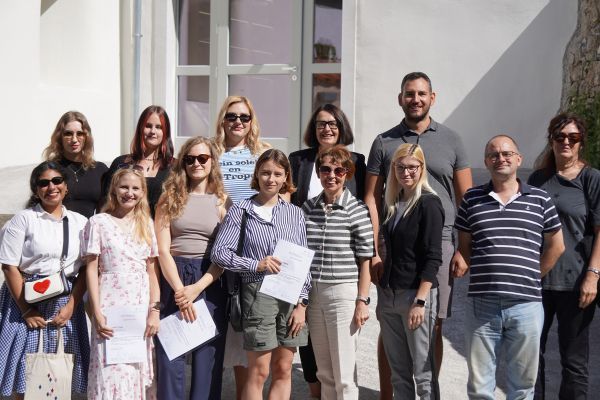
The summer school was organized in collaboration with the Department of Archaeology and Heritage at the Faculty of Humanities, with financial support from the Slovenian National Commission for UNESCO.
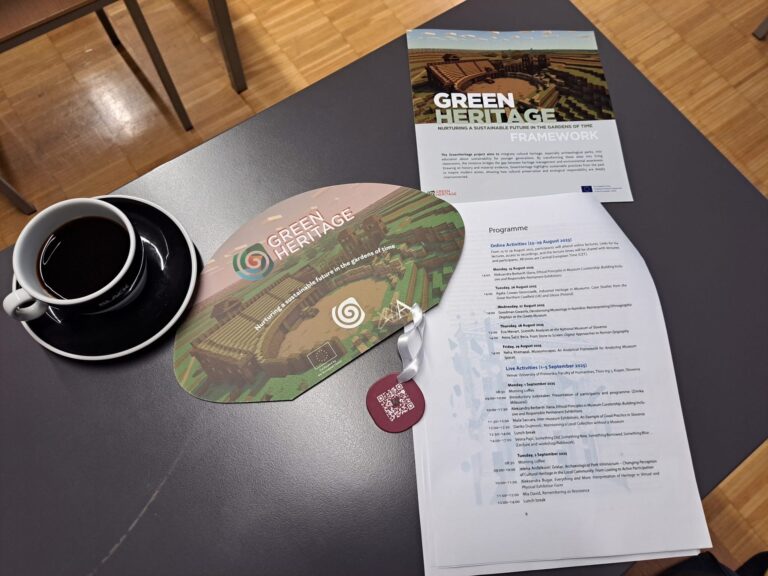
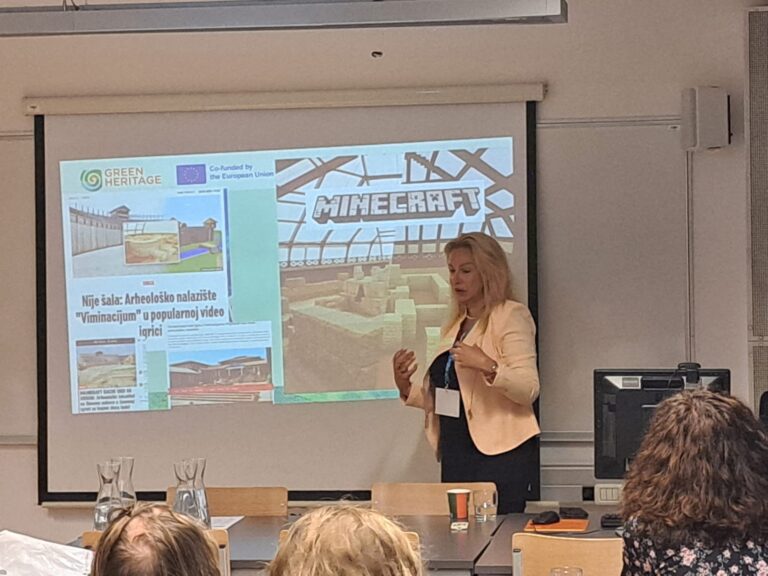
The main topic of this year’s school was“Research and practices in a rapidly changing world”. The summer school was divided into two parts: the introductory week (August 25–29) in a form of six online lectures and the offline workshops that were held at the Faculty of Humanities (September 1–5). The program was aimed at exchanging experiences and knowledge between students and experts from different countries. This year’s participants came from 𝗦𝗹𝗼𝘃𝗲𝗻𝗶𝗮, 𝗔𝘂𝘀𝘁𝗿𝗶𝗮, 𝗕𝗲𝗹𝗮𝗿𝘂𝘀, 𝗖𝗿𝗼𝗮𝘁𝗶𝗮, 𝗜𝗻𝗱𝗶𝗮, 𝗡𝗮𝗺𝗶𝗯𝗶𝗮, 𝗭𝗶𝗺𝗯𝗮𝗯𝘄𝗲, 𝗮𝗻𝗱 𝗦𝗼𝗺𝗮𝗹𝗶𝗮. They were taught by visiting experts from 𝗦𝗹𝗼𝘃𝗲𝗻𝗶𝗮, 𝗖𝗿𝗼𝗮𝘁𝗶𝗮, 𝗦𝗲𝗿𝗯𝗶𝗮, 𝗠𝗼𝗻𝘁𝗲𝗻𝗲𝗴𝗿𝗼, 𝗕𝗼𝘀𝗻𝗶𝗮 𝗮𝗻𝗱 𝗛𝗲𝗿𝘇𝗲𝗴𝗼𝘃𝗶𝗻𝗮, 𝗦𝗽𝗮𝗶𝗻, 𝗣𝗼𝗹𝗮𝗻𝗱, 𝗡𝗮𝗺𝗶𝗯𝗶𝗮, 𝗮𝗻𝗱 𝗜𝗻𝗱𝗶𝗮. Renowned lecturers presented a wide range of topics, offering participants insight into the state of museology and heritage research beyond the EU. For instance, dr. Jelena Anđelković Grašar presented her work linked to the Archaeological park Viminacium, as well as the Green Heritage project that aims to integrate cultural heritage, specifically at archaeological parks, with teaching young generations about sustainability.
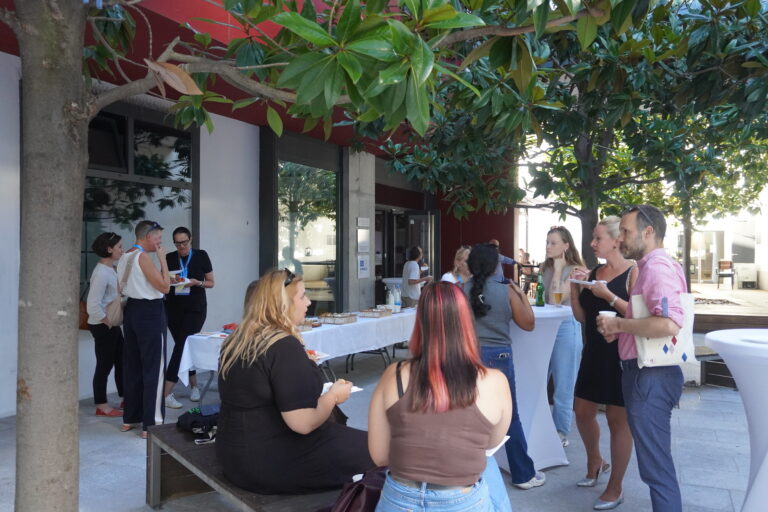
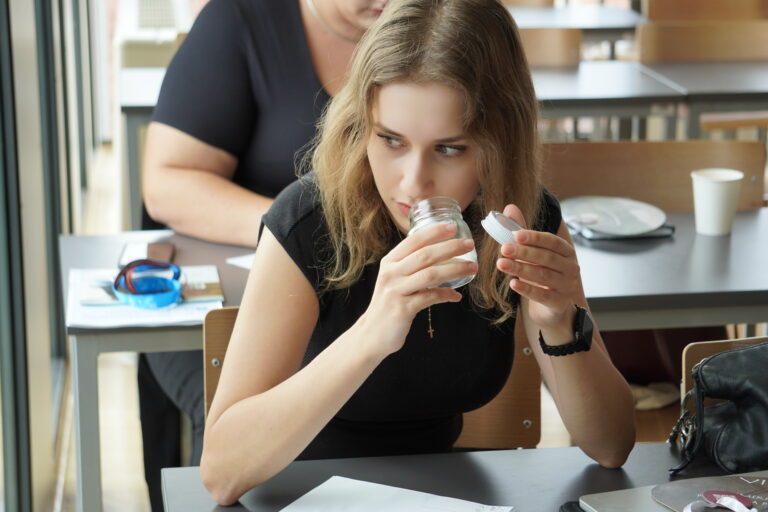
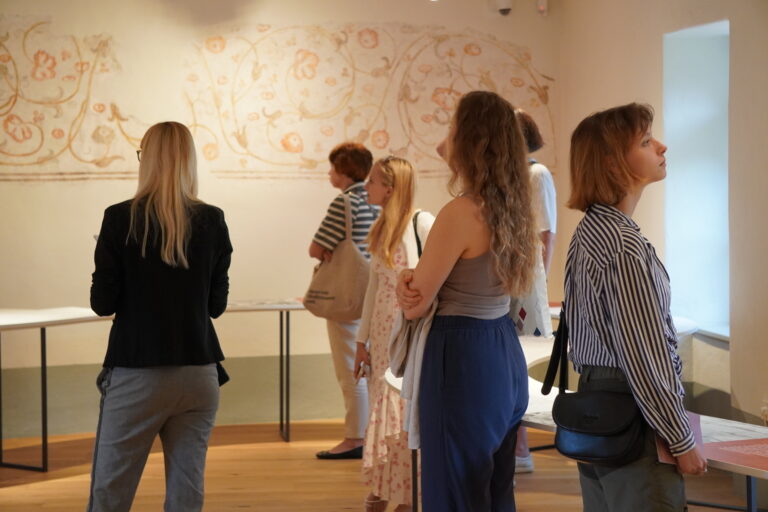
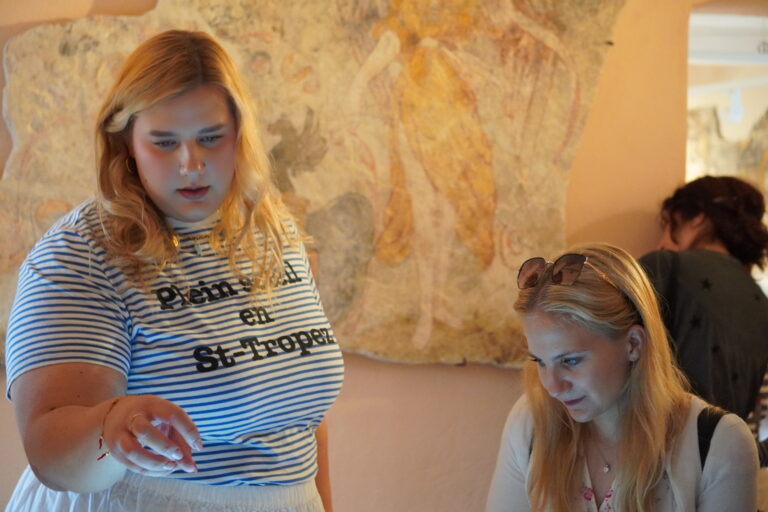
In addition to the academic program, the summer school also included a practical component with various workshops and a fieldwork. On September 1, participants enjoyed a guided tour around Koper that was focused on the adaptive reuse projects. They’ve also learned about research on different materials, olfactory heritage, and the use of modern technology in the promotion and interpretation of heritage. The four-day lectures and workshops concluded with a short training session on systems thinking, which was tailored to the heritage professionals.
On September 5, participants visited the new Rural Transport Museum in Senožeče, located in the renovated medieval customs house. The exhibition, combining cultural heritage with authentic architecture, offered interactive content, digital stories, children’s corners, and original objects — showcasing a contemporary approach to museum design.