
Project code: N6-0292
Project Type: WEAVE Bilateral Research Project
Project leader: Assoc. Prof. Martina Blečić Kavur
Research institution in Slovenia: University of Primorska, Faculty of Humanities
Research institution in Austria: Vienna Institute for Archaeological Science – Dr. Nives Donesu
Source of funding: Public Agency for Scientific Research and Innovation of the Republic of Slovenia (ARIS) and Austrian Science Fund (FWF)
Research area (ARIS): 6.02 Humanities / Archaeology
Project duration: 01.02.2023–31.01.2026
Description:
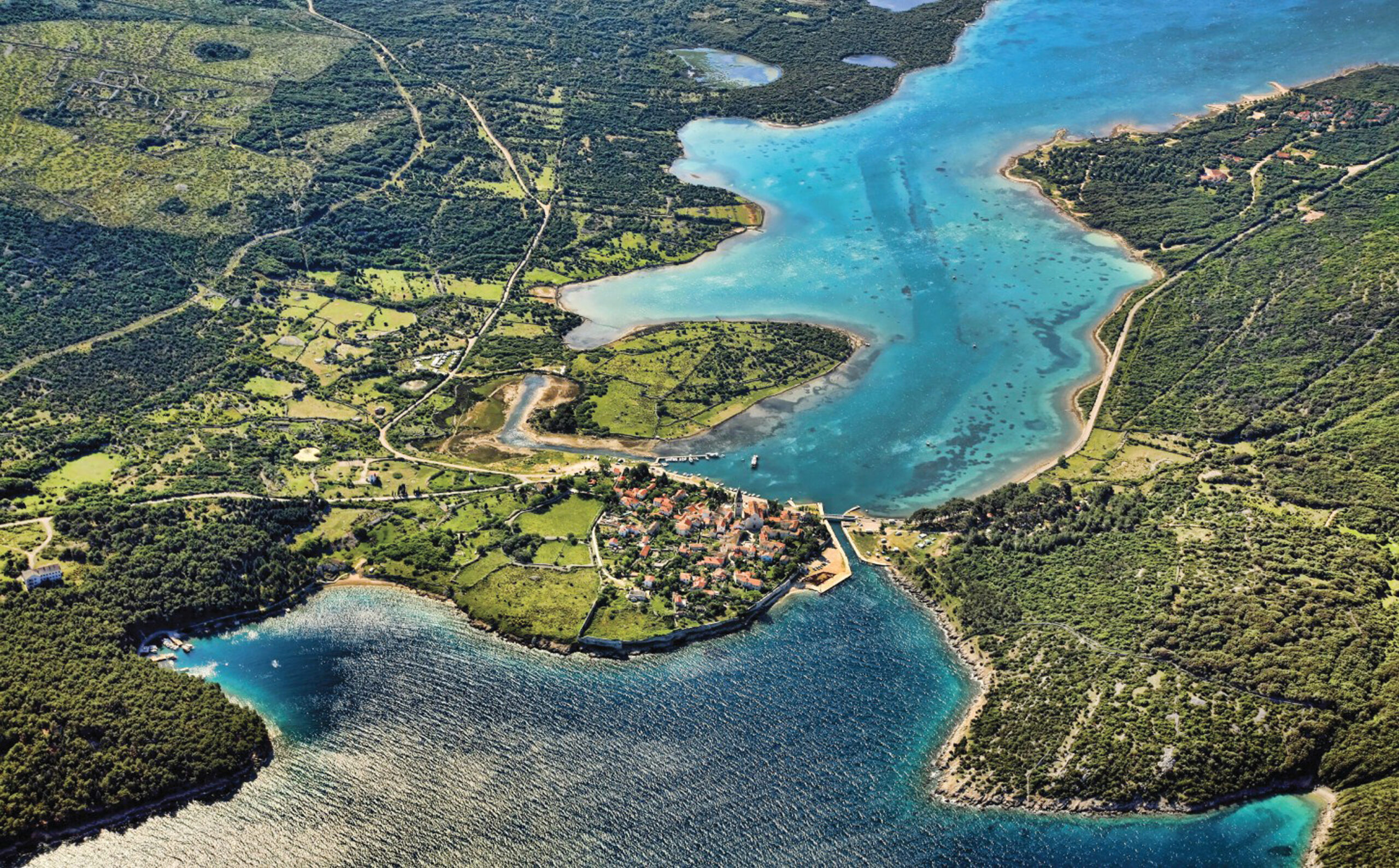
The North Adriatic and the Kvarner islands have a distinct geographical position, linking the communication routes from the Alps and Pannonia with the sea route to the Mediterranean Sea. The town of Osor is considered a major maritime hub, the value of which derives from the magnificent finds originating from the Pannonian plain all the way to Greece and southern Italy. It is likely that its status as a place was based on the artificial canal that allowed navigation between the islands of Cres and Lošinj, thus conditioning Osor’s participation in cultural and economic contacts. The project addresses the question of whether the maritime role of the town, and thus the long-distance maritime routes between the Alps and the Aegean, can be justified by its landscape context. Osor and its land and maritime context will be explored in an integrated way, focusing on five thematic strands – the history of cultural contact and trade; the spatial expansion of the city and peripheral land use; the land and underwater landscape context; the maritime, strategic and/or military role of Osor; and the role of the North Adriatic islands in long-distance economic and cultural trade networks. An interdisciplinary approach will combine material culture studies, geoarchaeological, geophysical and underwater research.