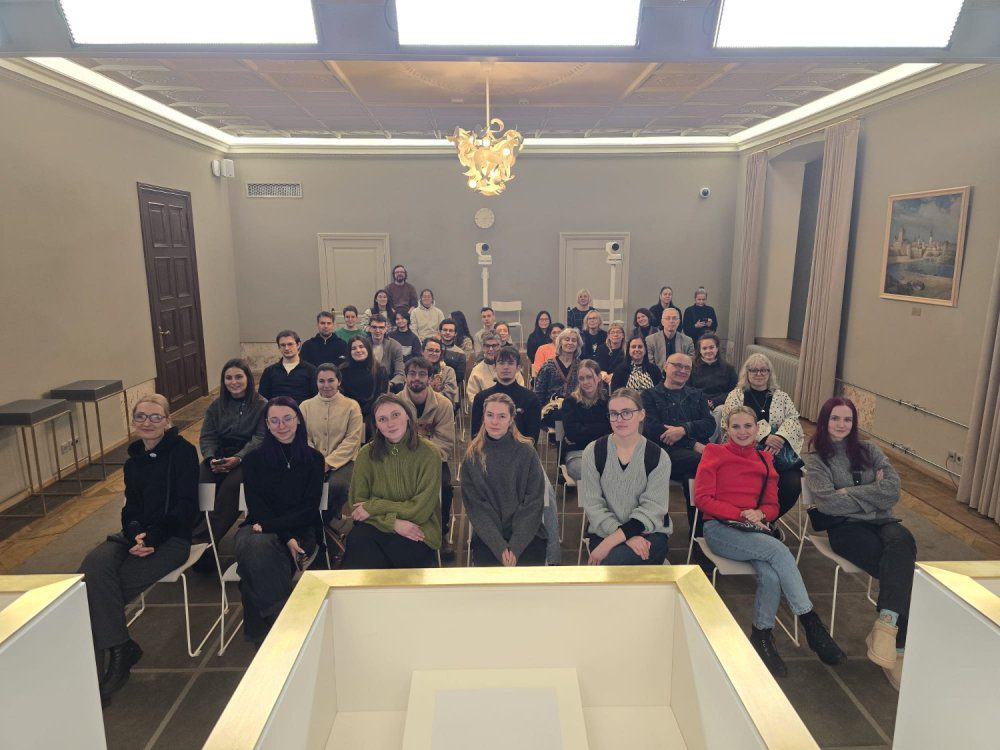
The event brought together researchers and creators from the fields of heritage studies, architecture, art, design, and digital humanities, and was dedicated to reflecting on the spatial dimensions of cultural heritage and contemporary creative research practices. The conference program was divided into two thematic sections. The first was devoted to the spatial dimensions of heritage, while the second focused on creative research practices and experimental approaches to interpreting the past and space. Special emphasis was placed on the use of digital technologies (3D modeling, video games, VR, and interactive media) and their impact on the understanding, interpretation, and communication of heritage.
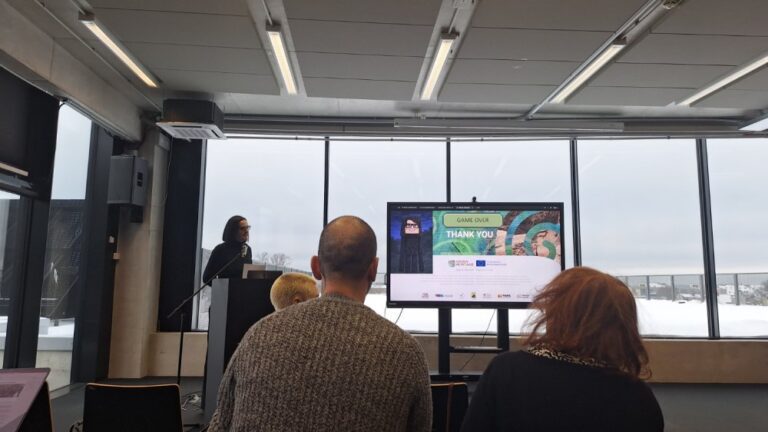
Assist. prof. dr. Gregor Pobežin and Assist. prof. dr. Zrinka Mileusnić from the UP FHŠ attended the conference. In the paper entitled “Bridging the Gap Between Sources: Spatially Mapping Historical Actors with CIDOC CRM and Bio CRM,” he presented a methodological approach to spatial mapping of historical actors using CIDOC CRM and Bio CRM ontological models and highlighted the importance of linking different types of historical sources in digital research. On the second day of the conference, Zrinka Mileusnić presented a paper entitled “Playing the Green Past: Archaeological Parks in Minecraft Education,” in which she presented the Green Heritage project, the use ofthe Minecraft Education environment as a tool for interpreting cultural and natural heritage, as well as the possibilities of incorporating gamification into educational and heritage practices.
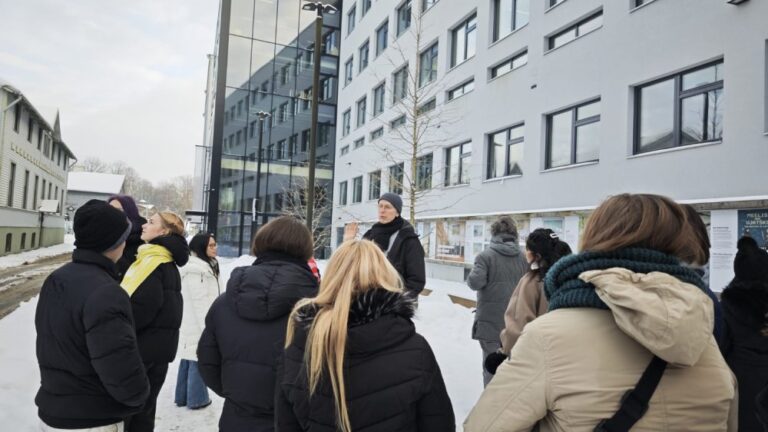
Concurrently with the conference, a student workshop entitled “Digital Archaeology in Search of the Ephemeral | Creative Research Capacities” was held during the week, introducing participants to some new methods for presenting heritage through virtual reality (VR) and the complex history of the city of Tallinn.