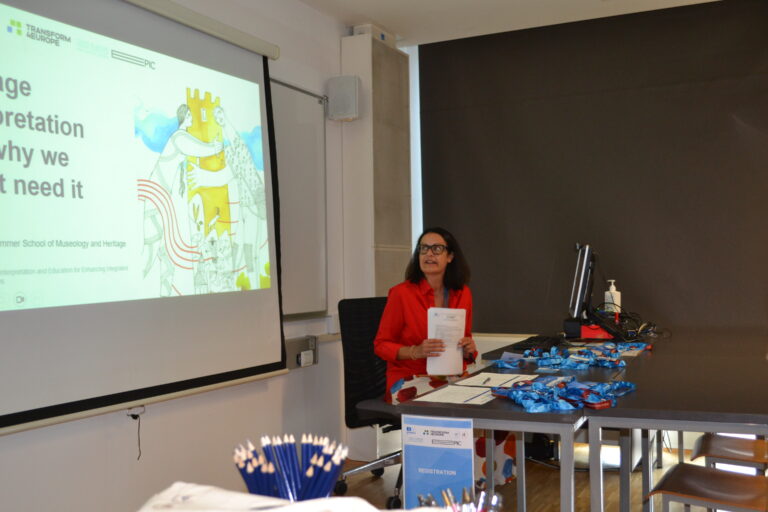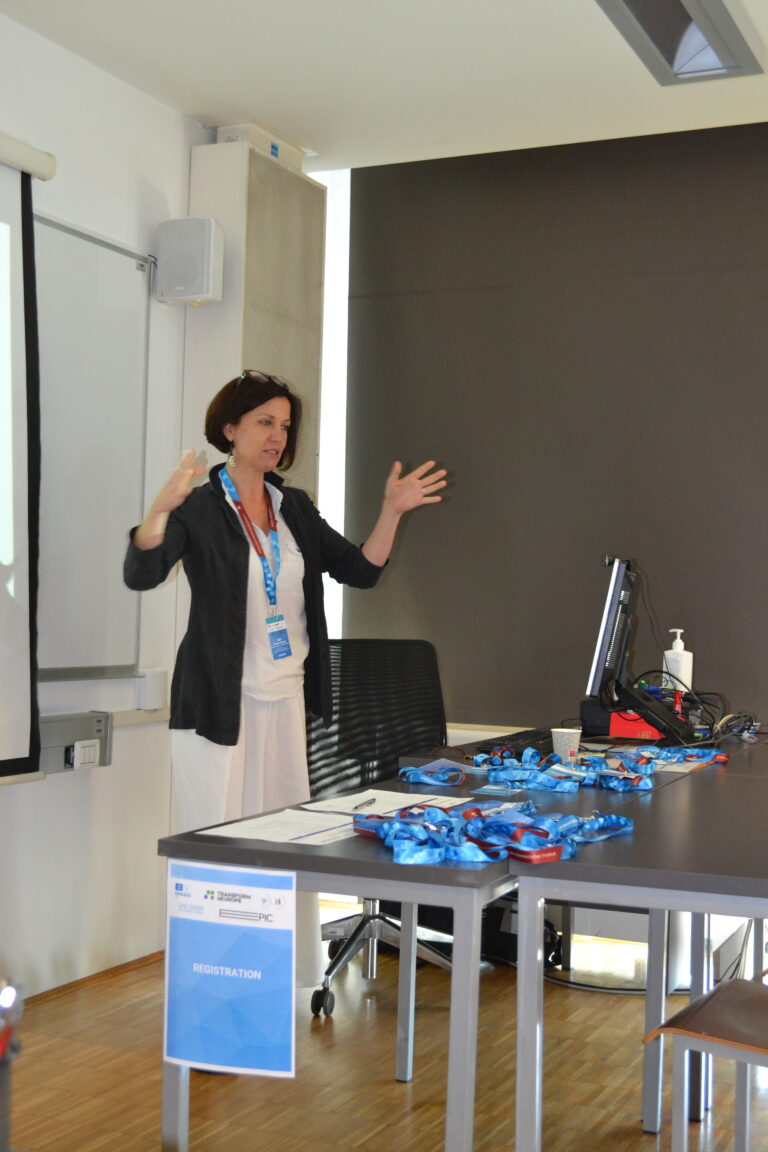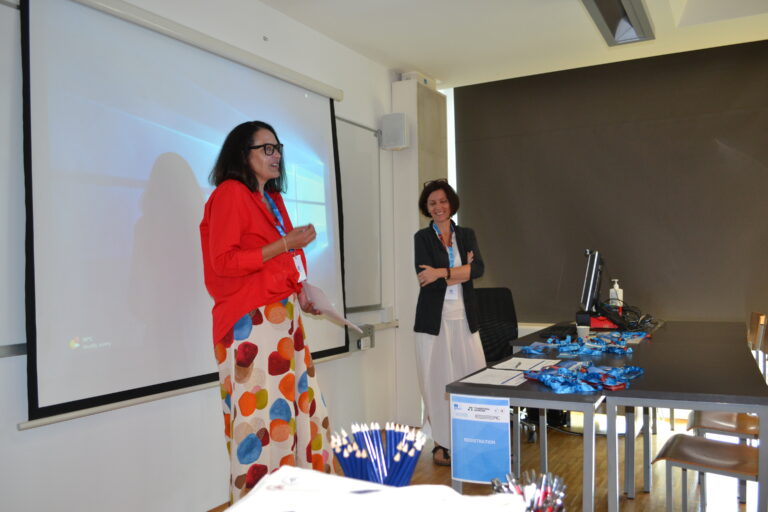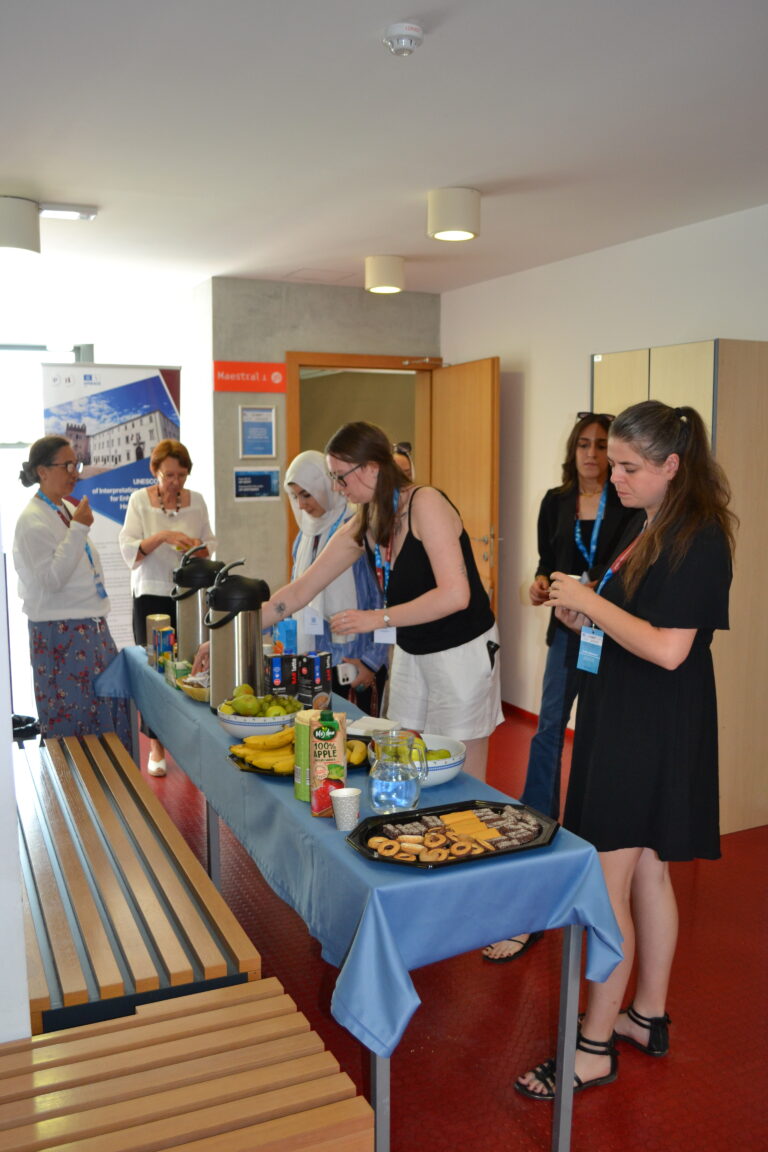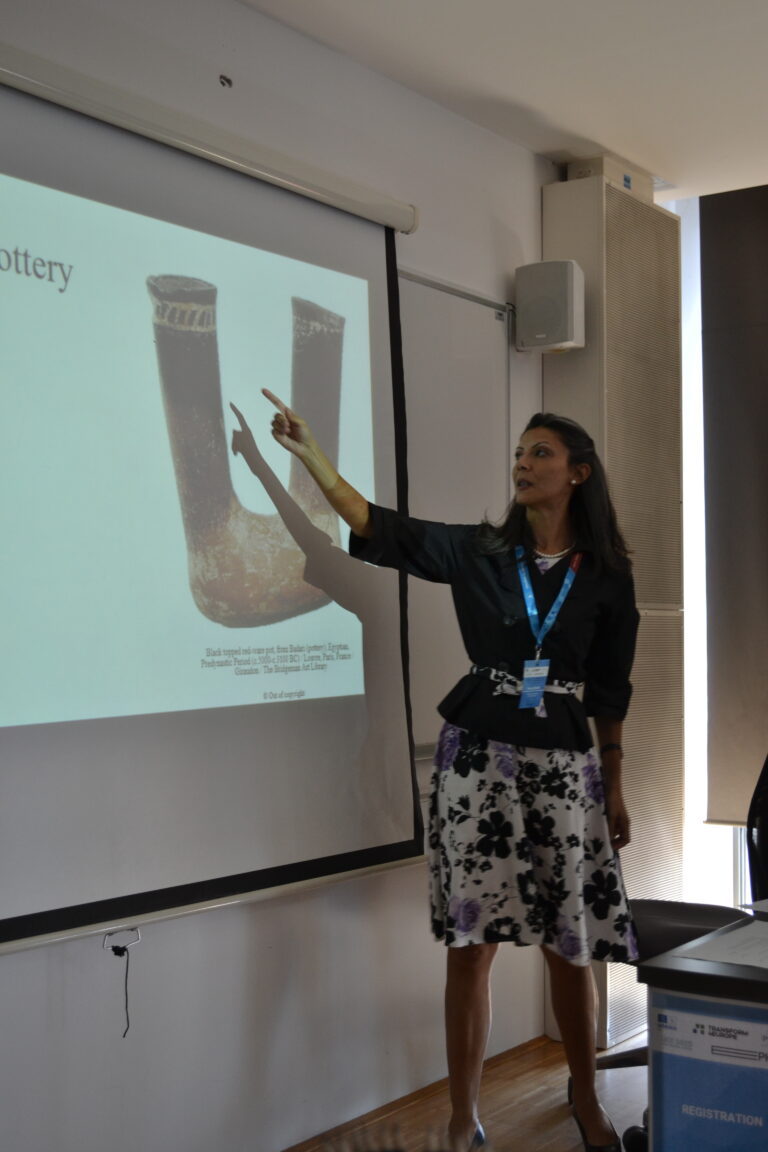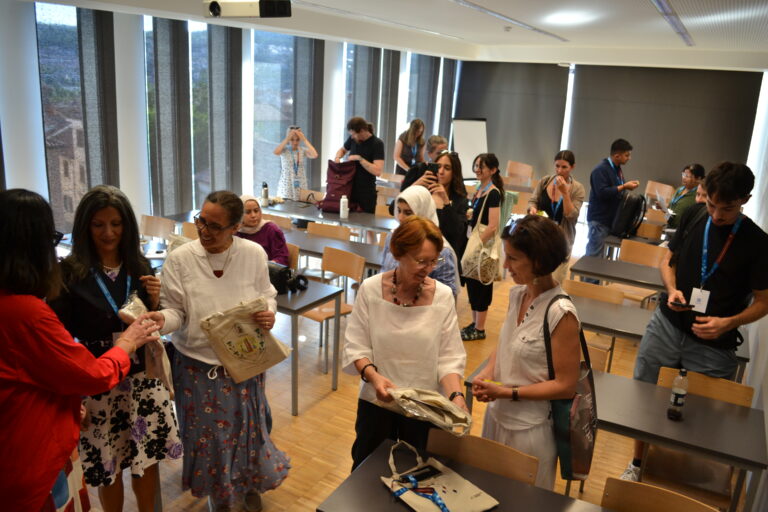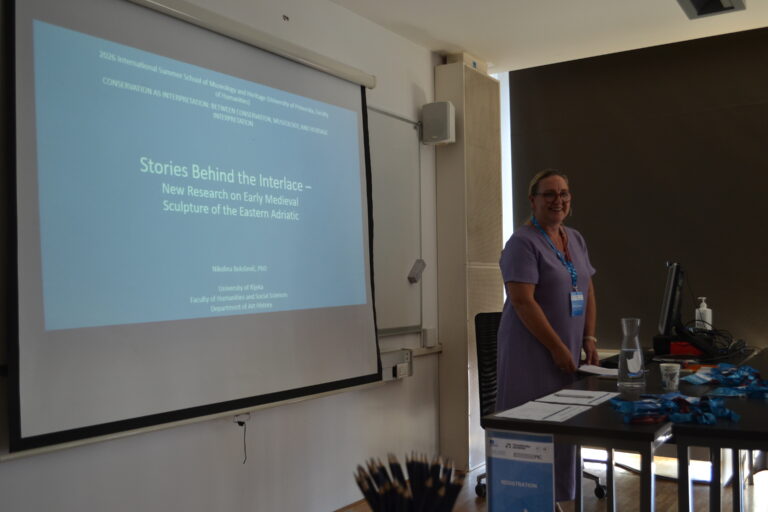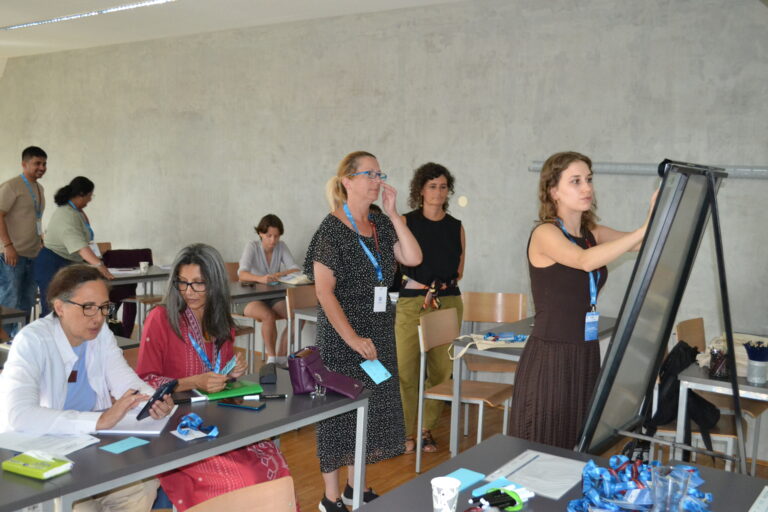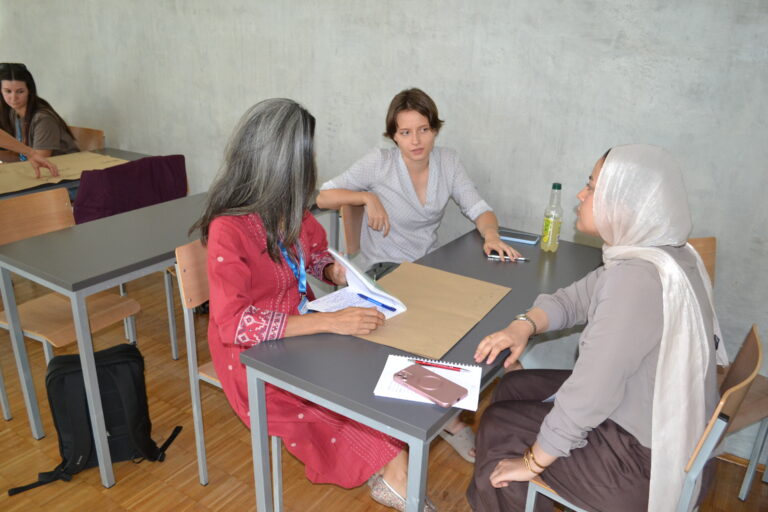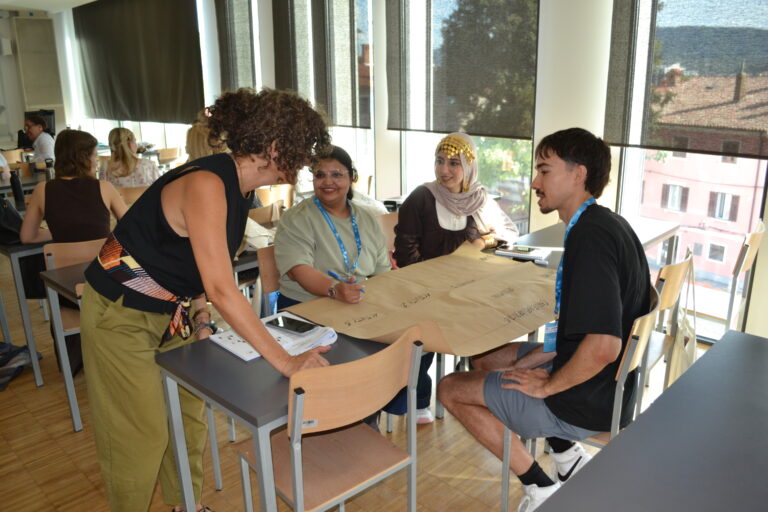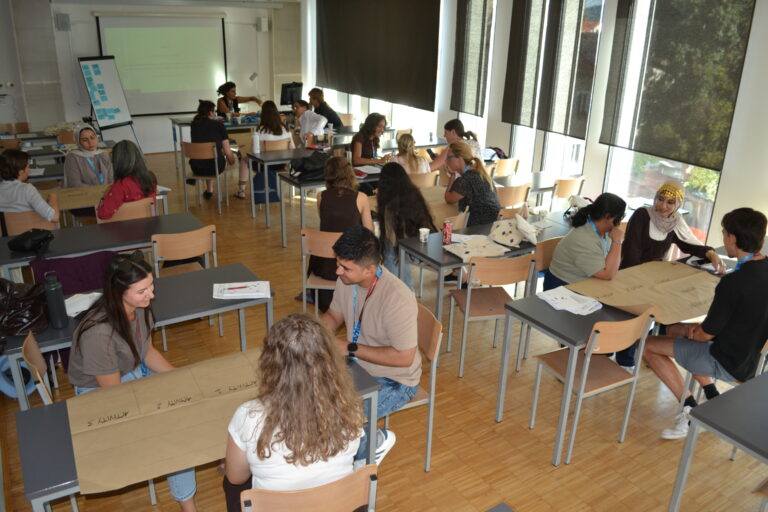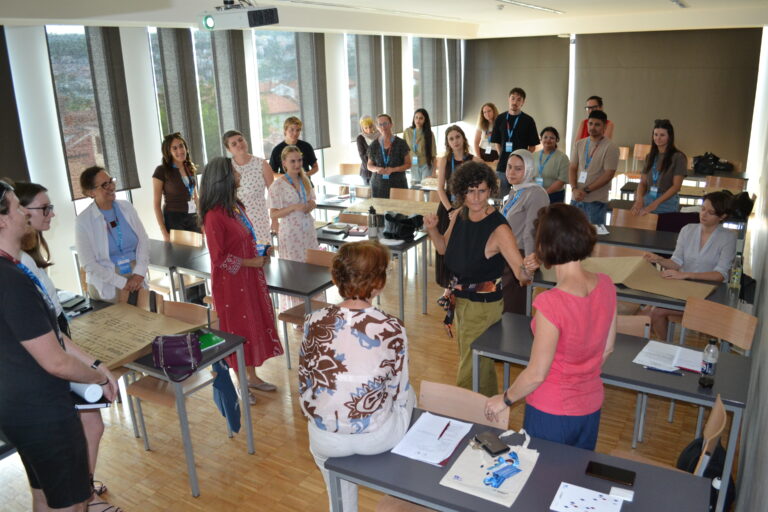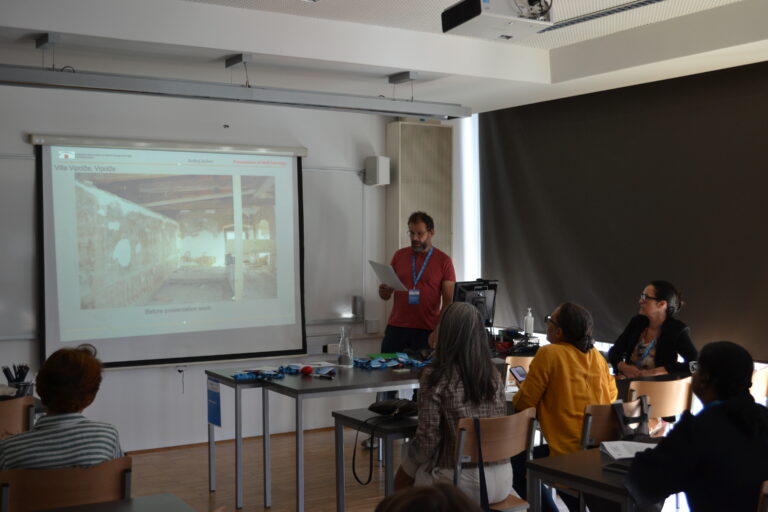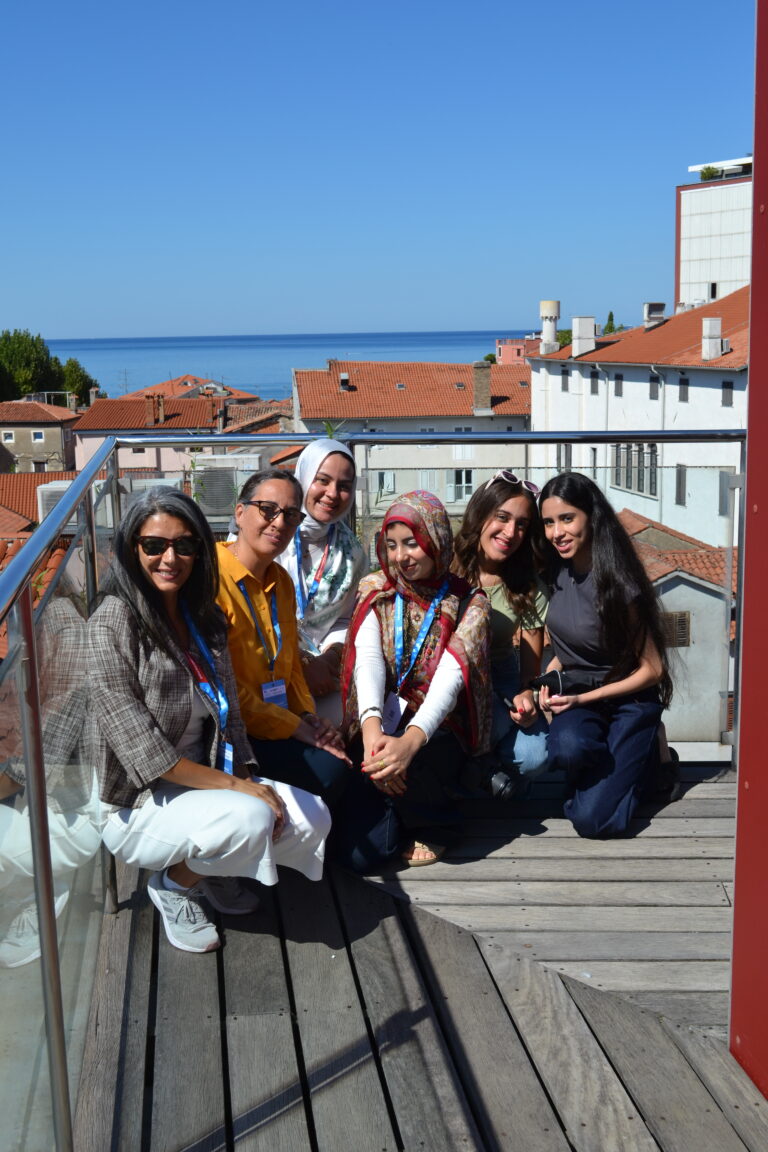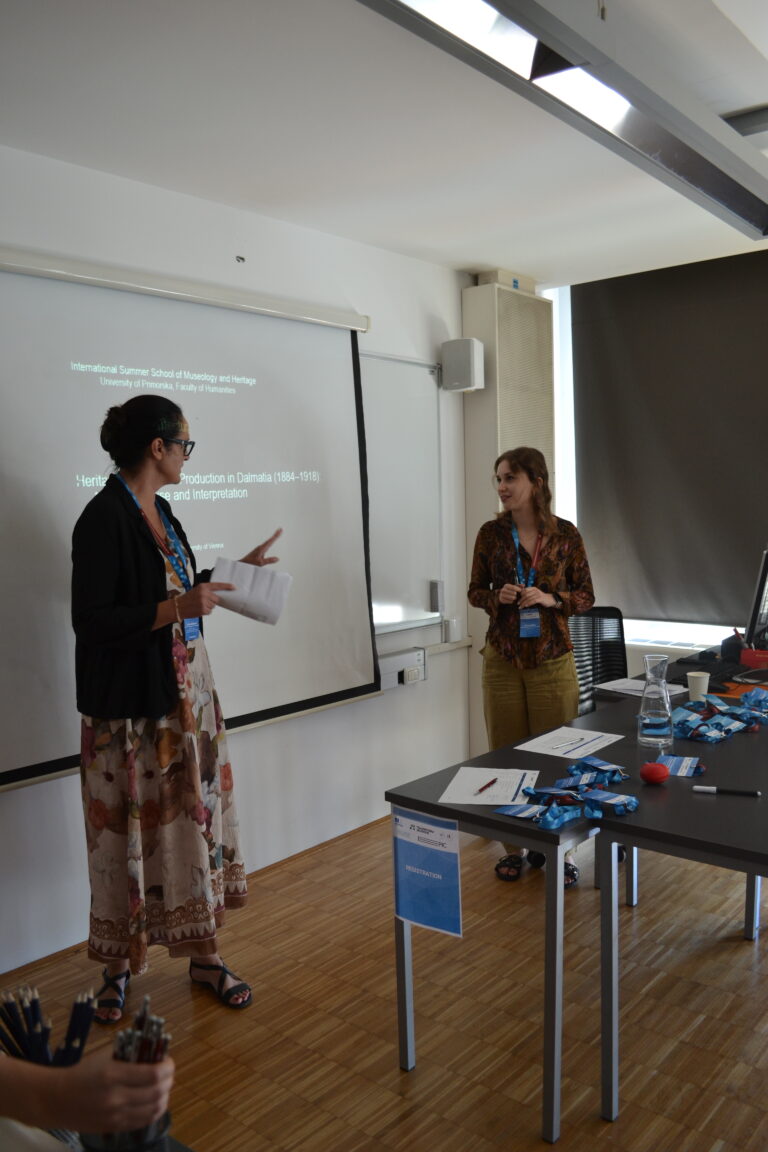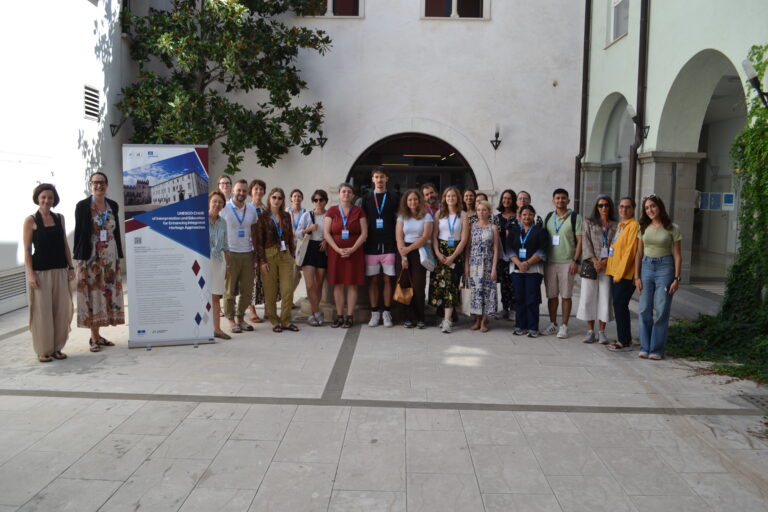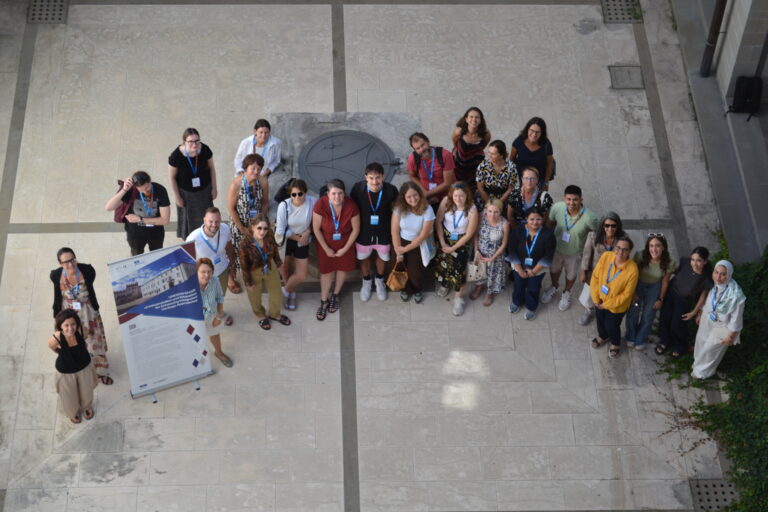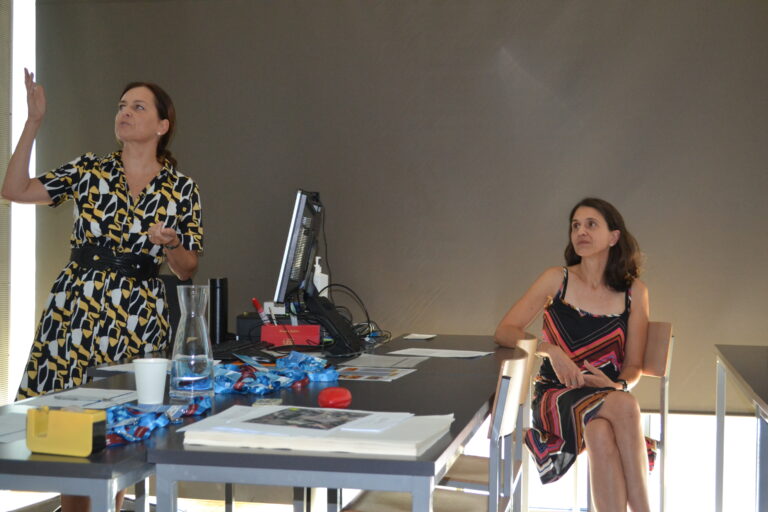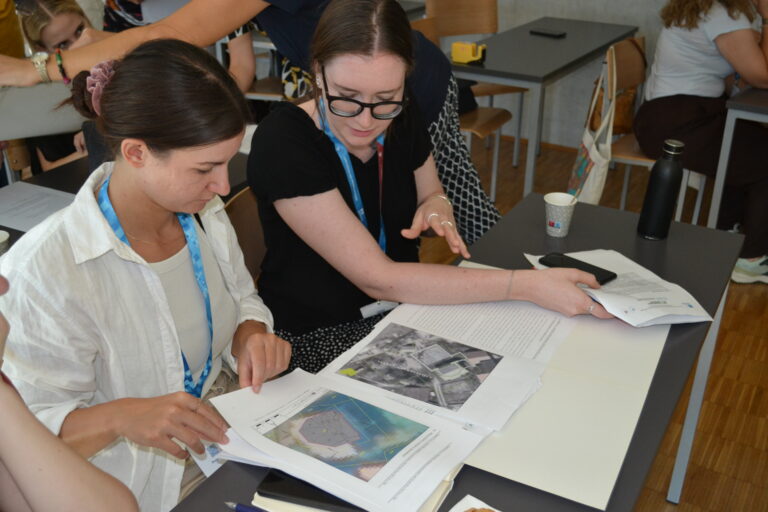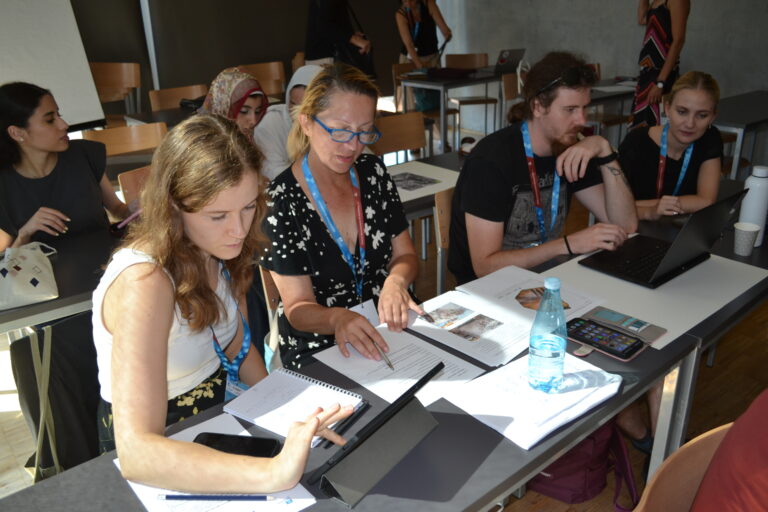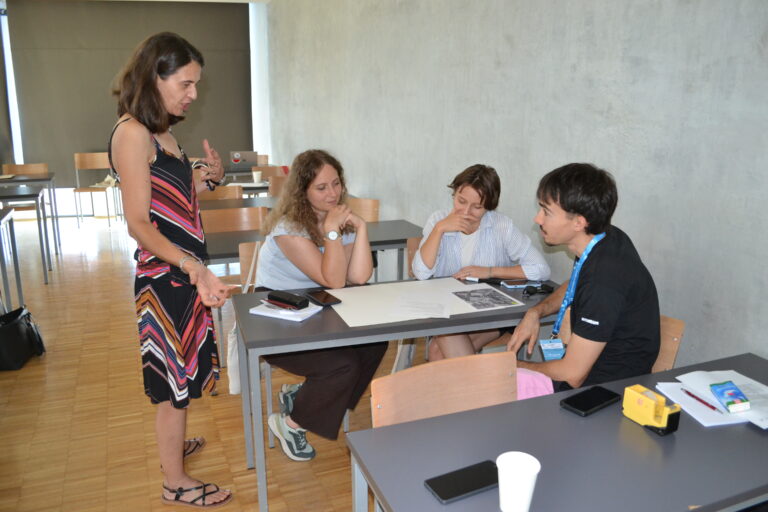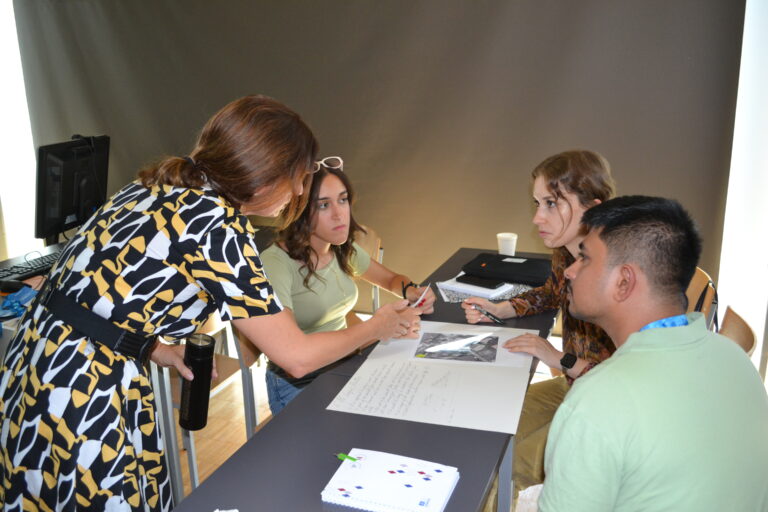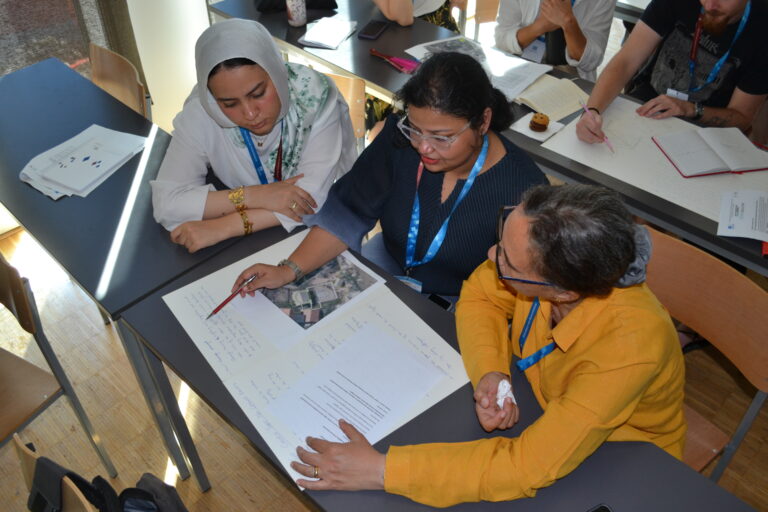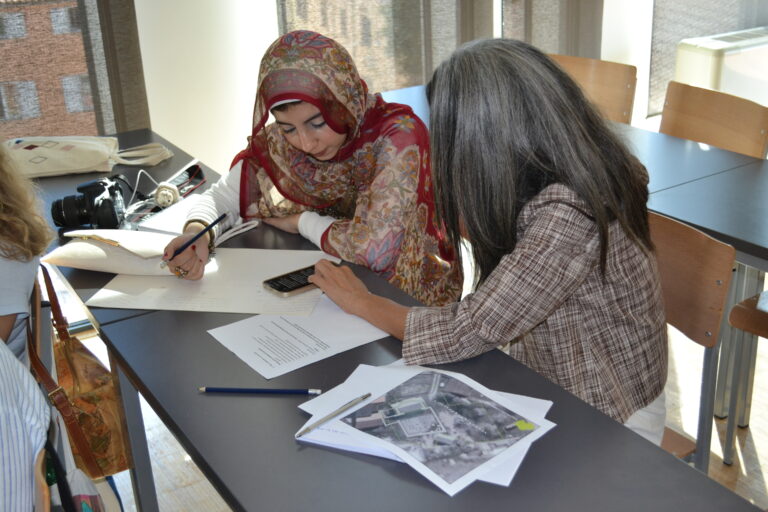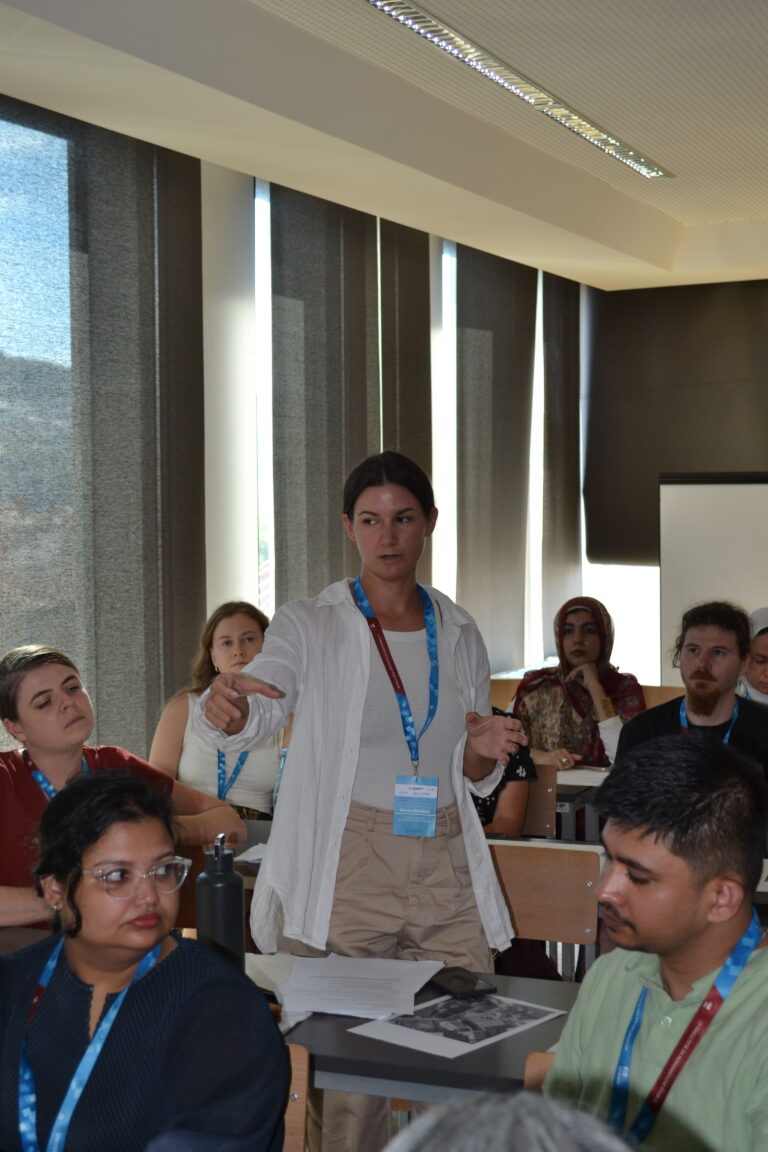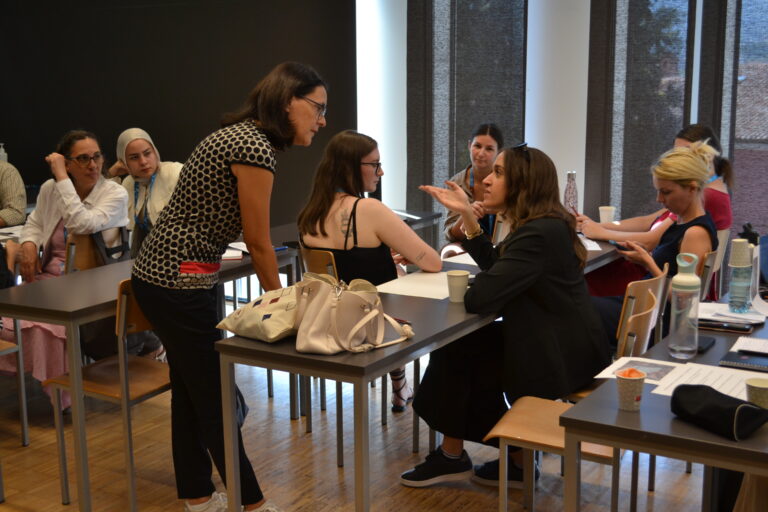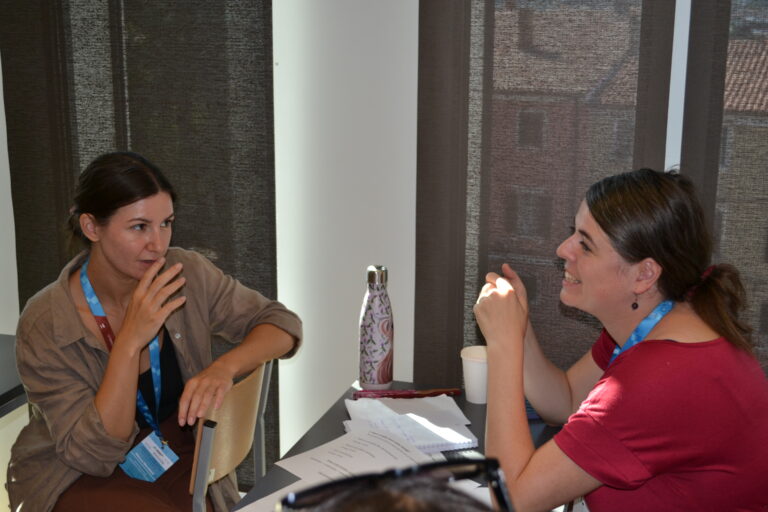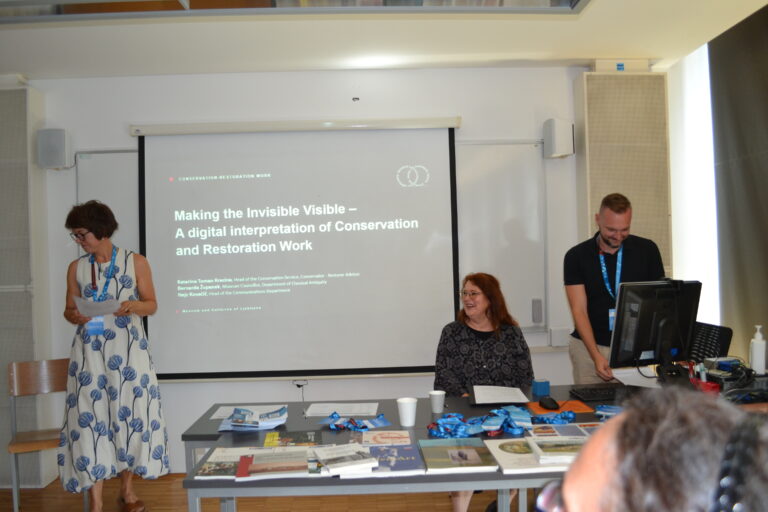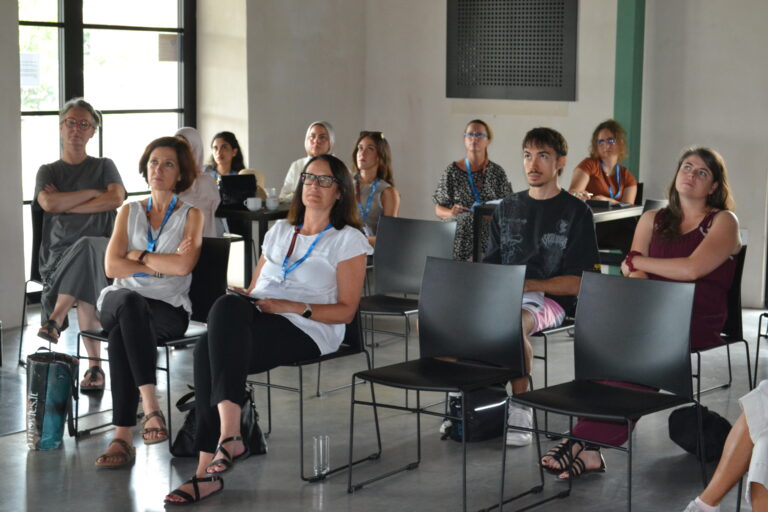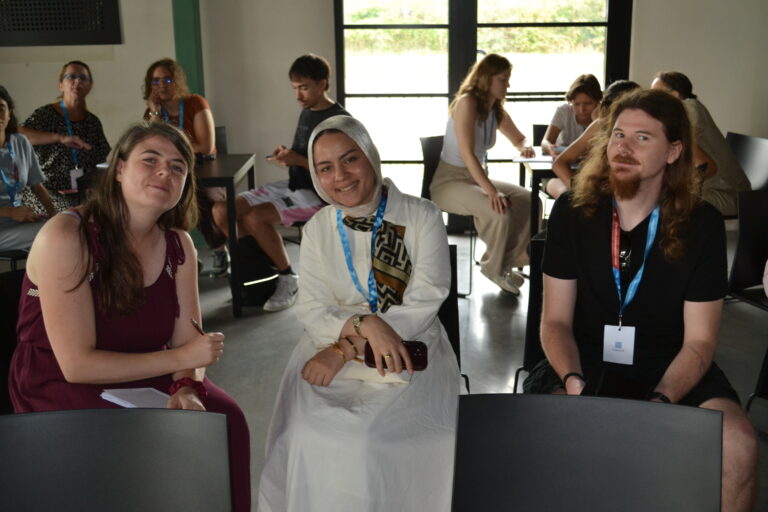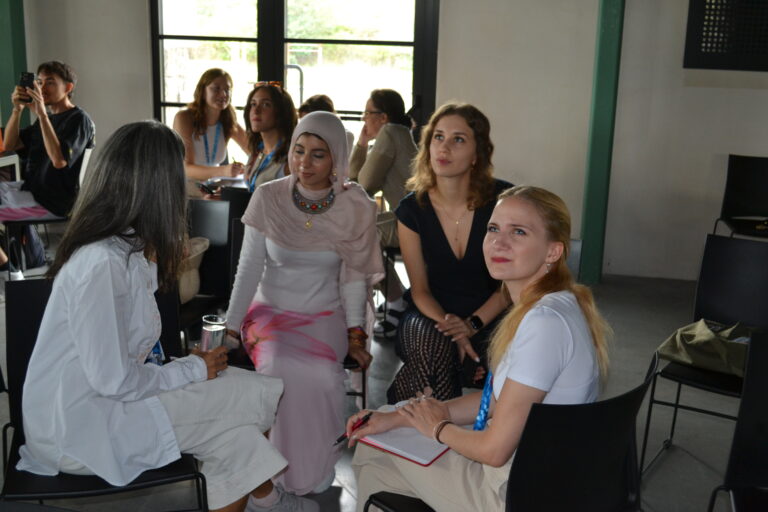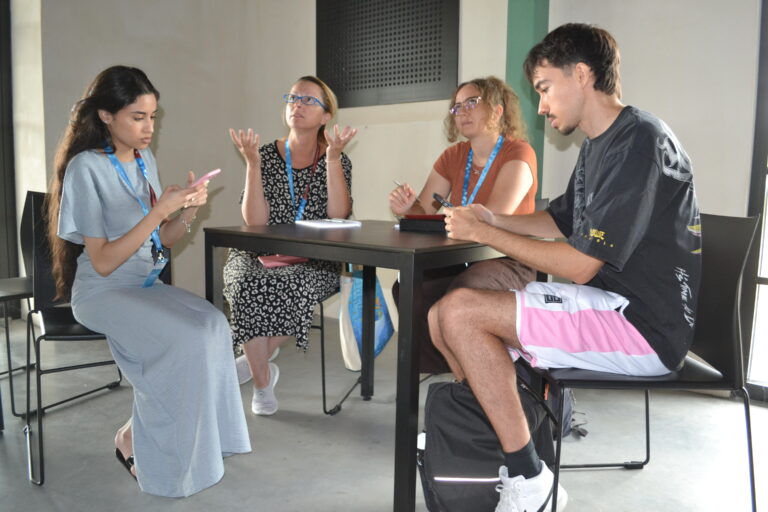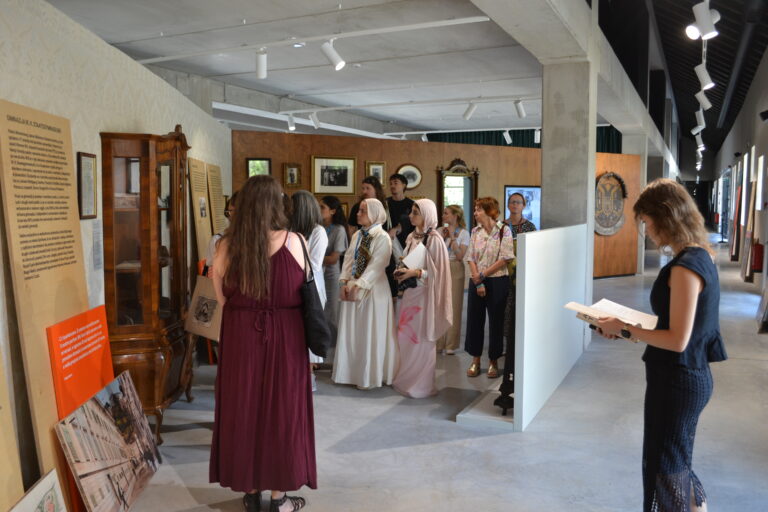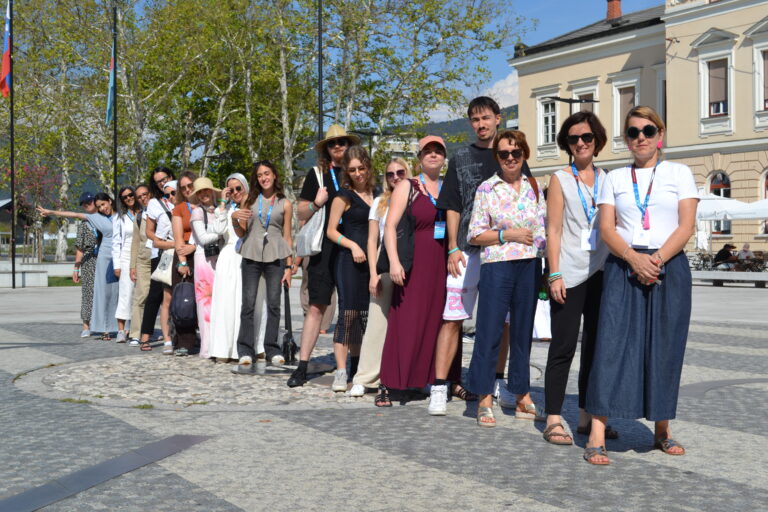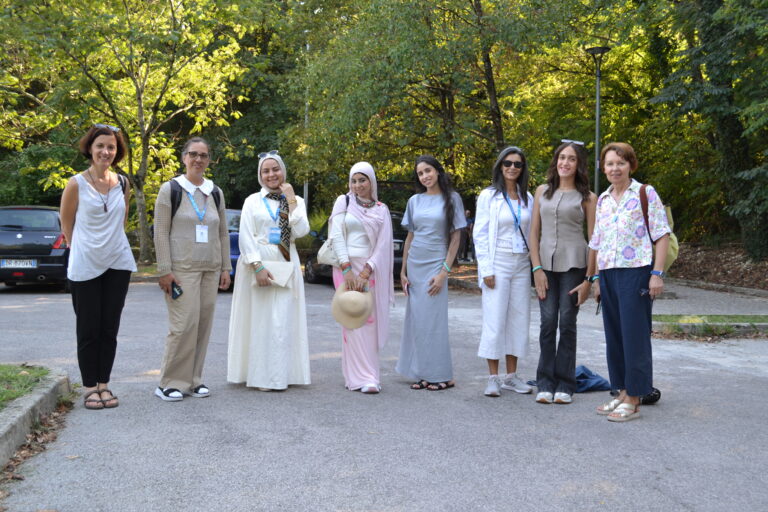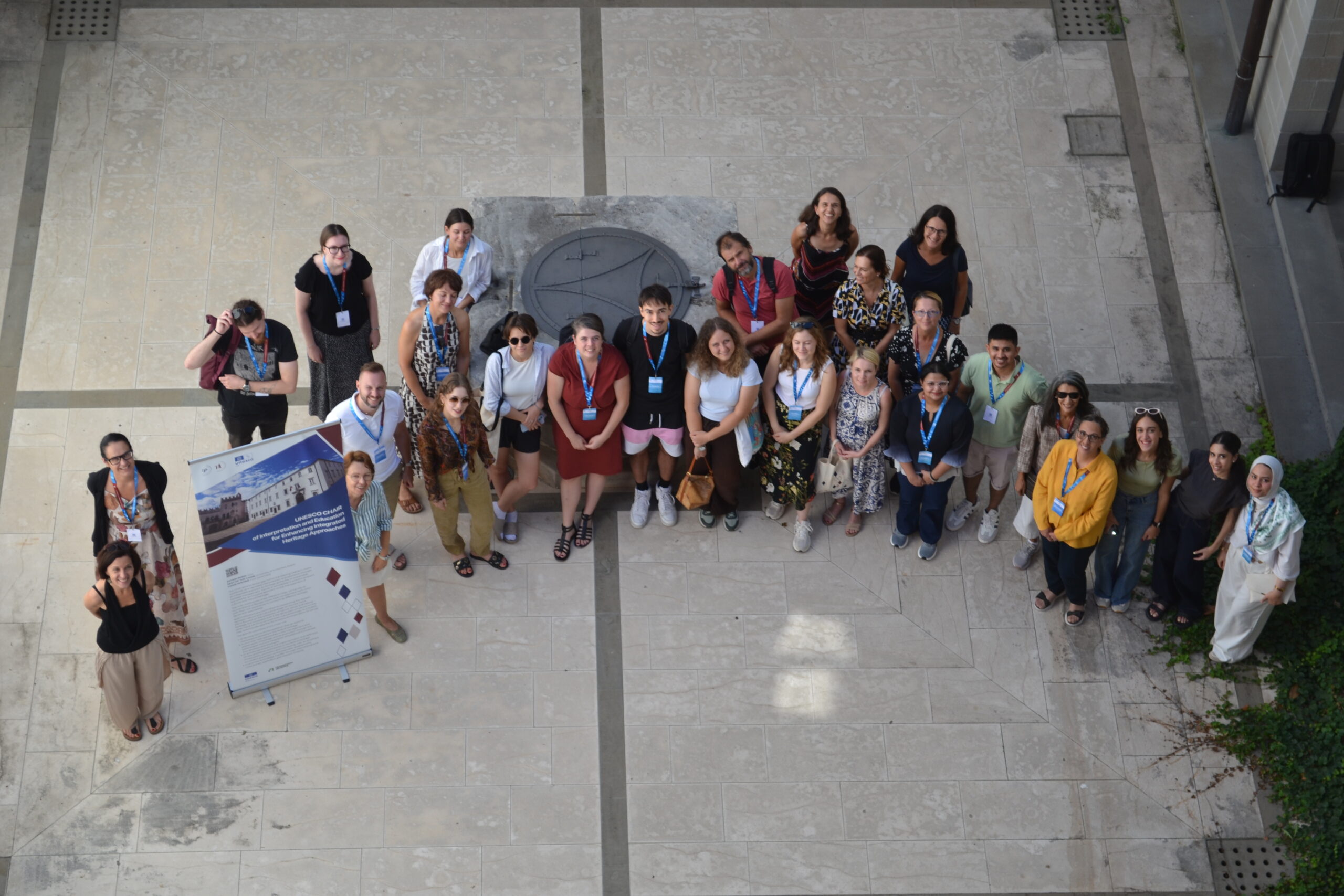
T4EU Regional Heritage Workshop, entitled Conservation as Interpretation: Between Conservation, Museology, and Heritage Interpretation (2026 International Summer School of Museology and Heritage), organized by the UP FHŠ, within the framework of the UNESCO Chair in Interpretation and Education for Enhancing Integrated Heritage Approaches, took place from 1 to 5 September 2026, was dedicated to reflecting on how conservation, interpretation, and museology intertwine in theory and practice.
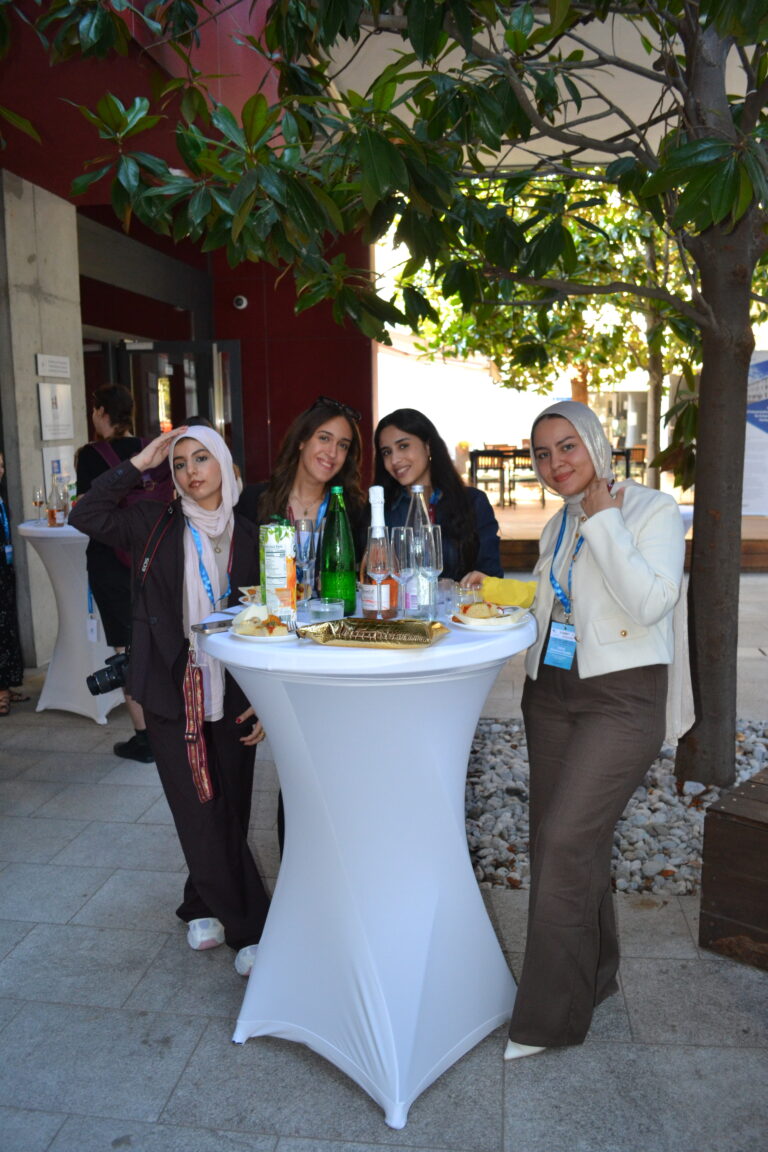
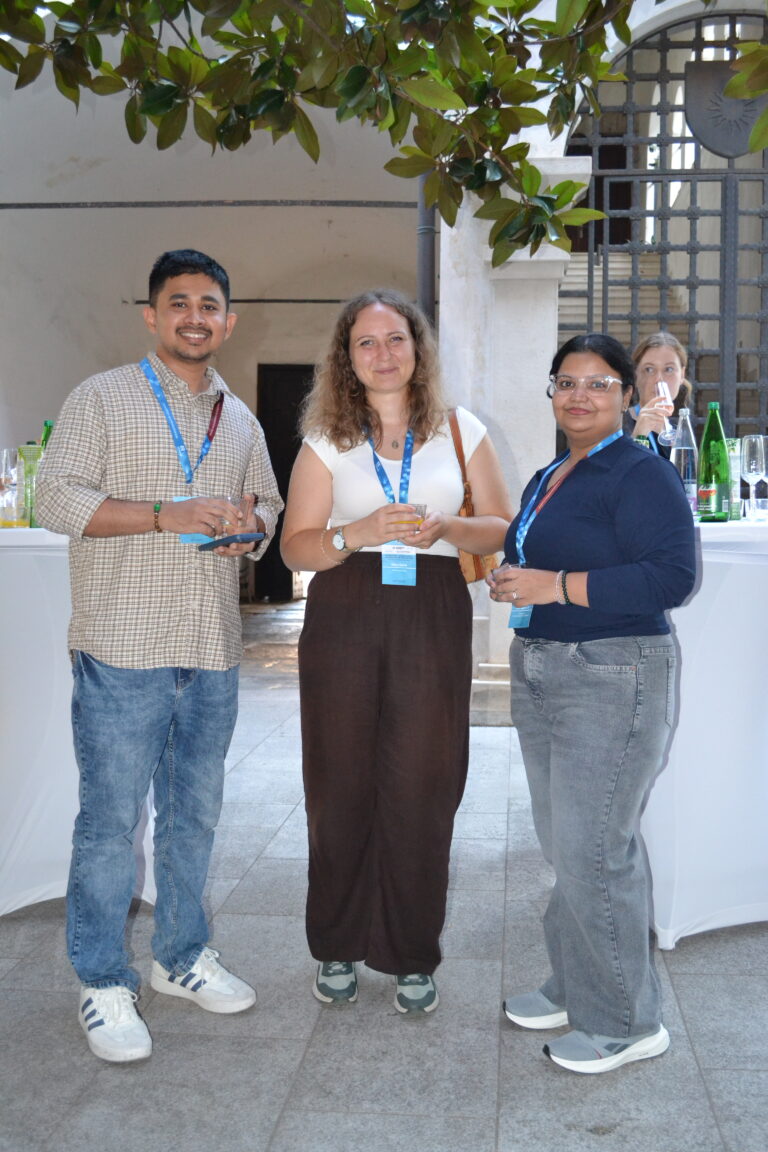
The workshop brought together more than 23 participants from seven countries, Egypt (Faculty of Archaeology, Cairo University), Italy (University of Udine), Uzbekistan (Specialized State General Education School No. 59), India (Indira Gandhi National Open University – IGNOU), France (Camille Jullian Centre, Aix-Marseille University), and Ireland (University College Dublin).
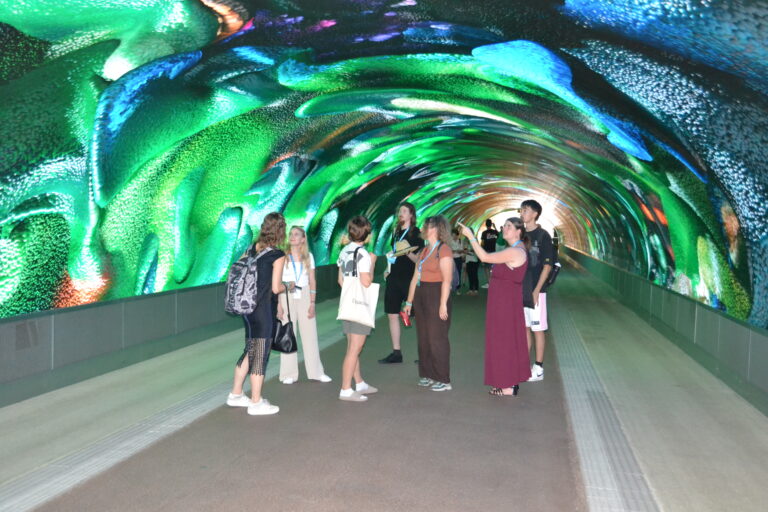
Particular interest of this years school and workshop was aimed to alternatives and practices that enable an inclusive and pluralistic approach: preserving multiple layers while maintaining spatial coherence, clearly interpreting dissonances between layers, and ways in which museums, interpretation centers, and various interpretation spaces can contribute to this, adding the topic of the potential of artistic interventions (especially in public spaces) and digital tools as ways to reduce physical interventions in space and open up the possibility of multiple readings of heritage.
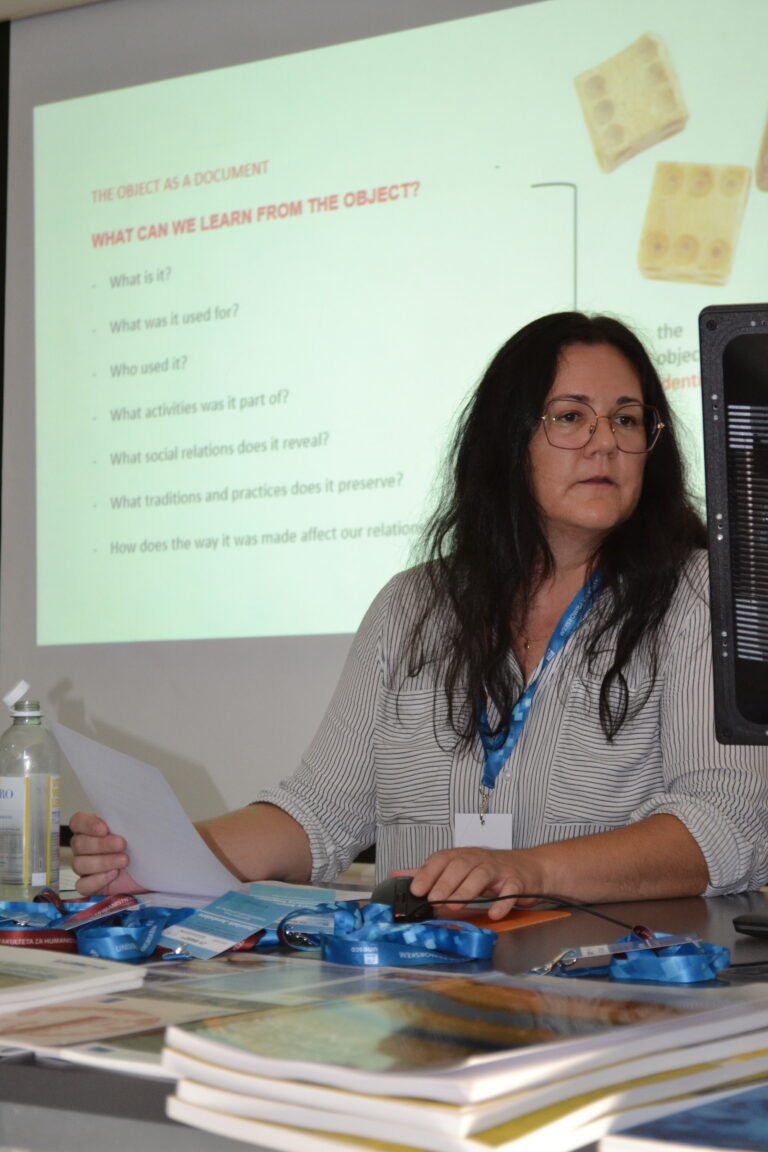
The first day was dedicated to presentation of the aims of the week, the UNESCO Chair framework and the key themes of conservation as interpretation. After registration and the formal welcome by the UNESCO Chair holder Irena Lazar, organizers of the summer school and members of UNESCO Chair Zrinka Mileusnić and Neža Čebron Lipovec delivered plenary lectures on Heritage interpretation and conservation with the focus on contemporary theorethical and practical issues. After thatparticipants took part in a short icebreaker activity. The programme then moved towards material heritage, conservation ethics and object-based interpretation with lectures from: Pika Škerlj, Eman Khalifa and Hussein Hassan Marie Hassan Mahmoud.
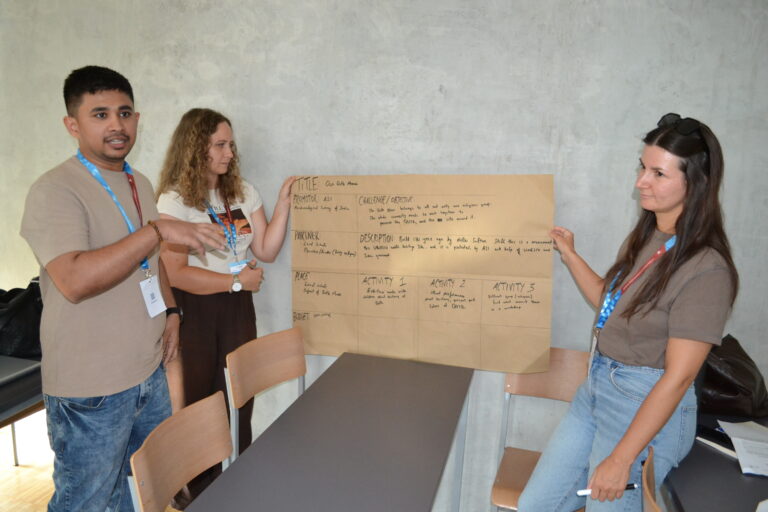
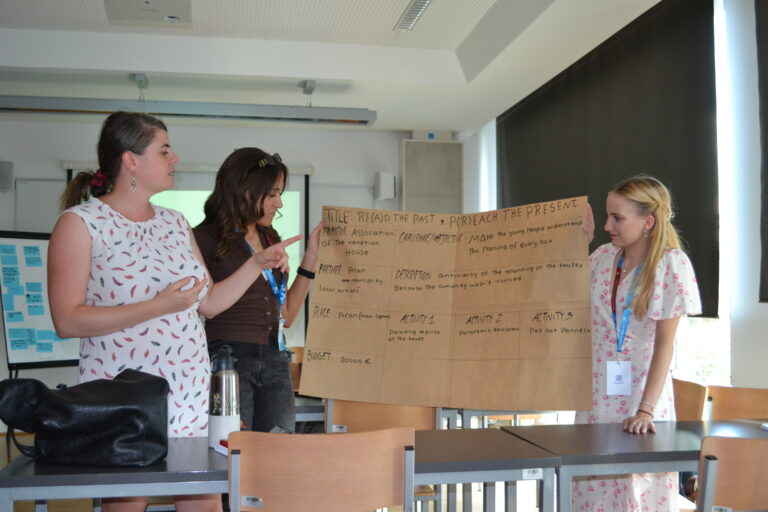
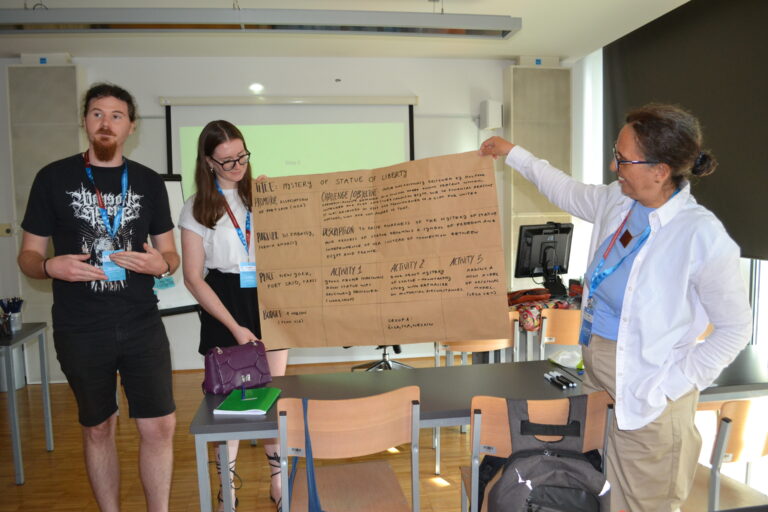
The second day focused on architectural, sacred and museum heritage. The contributions from Anja Mlakar, Franci Lazarini and Nikolina Belošević explored how meanings are created through conservation, research, religious and landscape contexts, architectural interventions and museum interpretation. The day combined case studies with a longer participatory workshop, held by Ileana Toscano on dissonant heritage as a democratic space.
The third day addressed public heritage programmes, multilayered religious heritage, industrial heritage and future-oriented interpretation – throught case-stdy lectures, given by Andrej Jazbec and Ana Laznibat as well as the workshop by Judita Lux. and Mija Topličanec It connected examples of wall paintings and adaptive reuse with a longer workshop on ruins and interpretive strategies, encouraging participants to reflect on how heritage sites can be reimagined through conservation, design and public engagement.
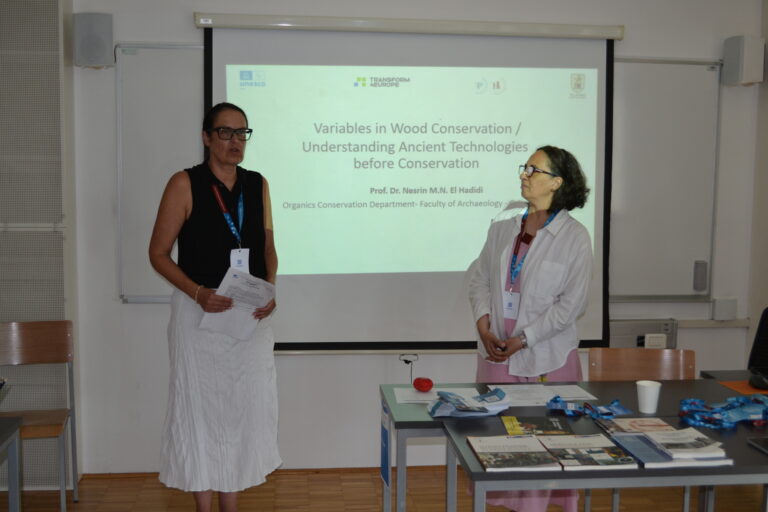
The fourth day was dedicated to participatory decision-making, heritage futures and final reflection. The main workshop asks who has the right to decide the future of a ruin and encourages participants to work with different stakeholder perspectives. This day started with a workshop by Maja Bricelj and, followed by lectures by Bernarda Županek, Nejc Kovačič and Katarina Toman Kracina, Jana Puhar, Nesrin El Hadidi and Jacopo Rasmi. The programme concludes with evaluation, certificates and a reception.
The final day was dedicated to a full-day excursion The Musealisation of the Goriška Heritage: Challenges, Significance and Sustainability Aspects to Nova Gorica and connected all topics with selected heritage sites, cross-border cultural contexts and current approaches to interpretation, conservation and public engagement – it focused on the musealisation of Goriška heritage in the context of the European Capital of Culture GO! 2025.
The International Summer School of Museology and Heritage 2026 was organised by the University of Primorska, Faculty of Humanities (UP FHŠ), in cooperation with the alliance of universities Transform4Europe (T4EU) and the GO!2025 Public Institute, within the framework of the UNESCO Chair in Interpretation and Education for Enhancing Integrated Heritage Approaches. The Summer School was financially supported by the Slovenian National Commission for UNESCO.